

Most hotel interiors are designed to feel current. The most compelling hotel interiors are designed to endure. The distinction matters more than it might initially appear. A hotel designed to feel current in 2015 feels dated by 2020. A hotel designed around principles that do not change, quality materials, genuine craft, a specific sense of place, and a commitment to the community it inhabits, feels as relevant a decade after opening as it did on the first day.
The hotels that people continue to seek out, return to, and recommend years after the initial excitement of a new opening share a consistent set of design values. Understanding those values is useful not just for hospitality designers but for anyone designing any space that is meant to be loved for a long time.
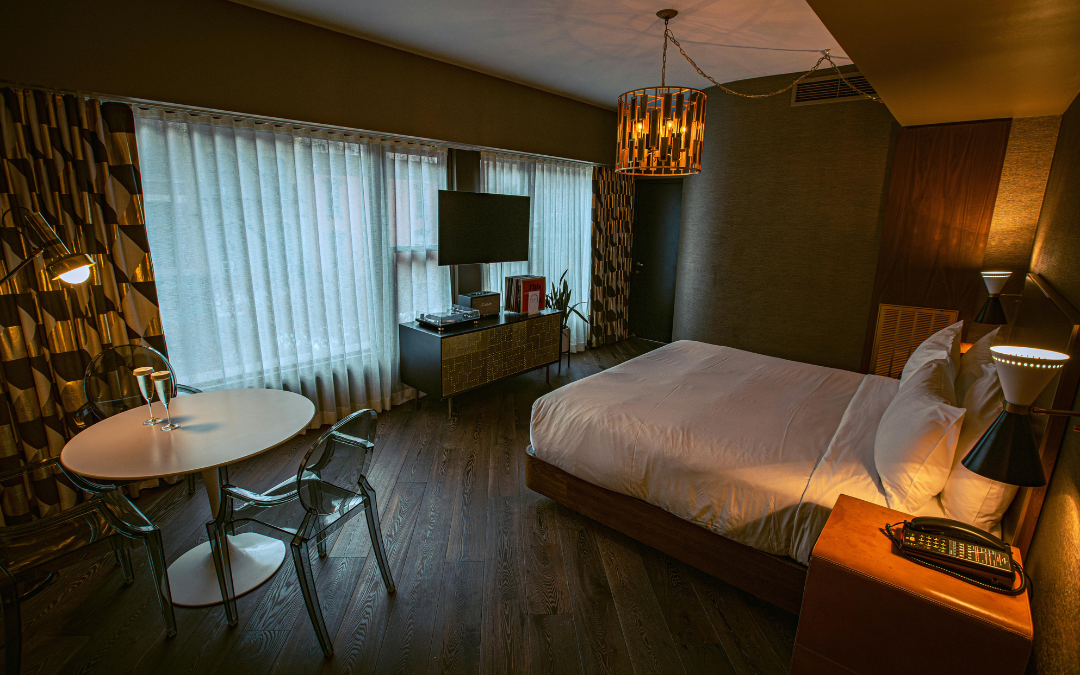
The most enduring hotel interiors are built from materials that develop character with use rather than simply deteriorating. Recycled timber with a history visible in its grain and surface marks. Off-form concrete that retains the texture of its formwork. Salvaged oak that carries the patina of its previous life. Natural stone that marks and weathers in ways that tell the story of the space being used.
These materials share a quality of honesty. They do not pretend to be what they are not. They do not hide their age or their origin. And precisely because of this honesty, they improve with time rather than fighting it. A salvaged timber bed frame that was beautiful on day one is more beautiful after five years of use. A concrete wall that was interesting when poured becomes more interesting as it develops the marks and shadows of a lived-in space.
This principle is directly applicable in residential design. Choosing materials for their journey rather than their pristine state produces homes that feel more genuinely liveable and more personally meaningful over time. The investment furniture article published separately on this site explores this principle in the context of furniture selection. The same thinking applies to surface materials: a honed stone benchtop that marks and develops character is a more interesting long-term companion than a polished surface maintained in perpetual pristine condition.
The hotel interiors that feel most genuinely of their place are the ones where a specific cultural reference has been identified and applied with genuine commitment rather than generic regional styling. The Australian shack as a design reference, with its clay-rendered walls, salvaged timber, overhead rain showers, and windows that open to the outside world, is a specific and honest cultural reference that produces a specific and honest interior.
This is not the same as decorating with cultural motifs or placing regional artwork on the walls. It is a deeper engagement with what a specific way of living in a specific place actually looks and feels like, and a commitment to translating that quality into the materials, the spatial organisation, and the sensory experience of the interior.
In residential design, the equivalent is designing a home that genuinely reflects the specific landscape, climate, and cultural context it sits within rather than importing a style from elsewhere. The country home article and the beach house articles published separately on this site both address this principle in specific Australian landscape contexts.
The hotel rooms that people remember most vividly are almost always the ones where artwork has been chosen specifically for that room rather than selected from a generic collection and distributed across the property. A piece commissioned for a specific space, at the right scale for that space, in dialogue with the specific materials and proportions of the room, creates a quality of completeness that generic artwork placement never achieves.
This room-specific approach to artwork requires more thought and more investment than purchasing a collection of prints and dividing them between rooms. But the result is an interior where every room has its own specific identity and its own specific memory for the person who occupied it.
In residential design, this principle applies to every room where artwork is part of the design rather than an afterthought. The right piece of art for a specific room, chosen for its scale, its colour relationship with the space, and its resonance with the people who will live with it, does more design work than multiple pieces chosen without that specificity. The Print Emporium offers a range of art prints that can be selected with room-specific intention at an accessible investment.
Some of the most compelling hotel interiors extend their design philosophy beyond the physical space into their relationship with the community around them. Local produce in the minibar. Partnerships with local businesses and makers. Commissioned artwork by local artists. Co-working spaces that serve the neighbourhood as well as the guests. A bookstore, a cinema, or a café that is genuinely part of the local community rather than simply an amenity for guests.
This hyperlocalism is not simply a marketing strategy. It is an expression of a design philosophy that values specificity over universality. A hotel that could be anywhere is less interesting than one that could only be here. A home that reflects the specific tastes, travels, and community of the people who live in it is more interesting than one that reflects a generic idea of what a home should contain.
The residential equivalent of hyperlocalism is the home furnished with objects from local makers, artwork by local artists, and materials sourced from local suppliers wherever possible. These choices give a home a specific connection to its place and its community that globally sourced, mass-produced alternatives cannot replicate.
The explicit brief behind some of the most enduring hotel interiors is to create something that endures rather than something trendy. This brief produces a specific set of design decisions: quality over novelty, natural materials over synthetic ones, commissioned over mass-produced, specific over generic. It also produces a specific restraint in the use of colour, pattern, and decorative detail, favouring elements that will remain interesting over time rather than those that feel exciting in the moment.
Designing for endurance does not mean designing conservatively. It means designing with a genuine understanding of what changes quickly, colour trends, material fashions, decorative motifs, and what changes slowly, quality of craft, honesty of material, specificity of place. The elements that change quickly are worth using sparingly and in ways that can be updated. The elements that change slowly are worth investing in heavily, because they will continue to deliver value long after the investment is forgotten.
In residential design, this distinction between the enduring and the fashionable is one of the most useful frameworks available. Invest heavily in quality materials, genuine craft, and specific artwork. Spend more lightly on trend-driven colour accents, decorative accessories, and fashionable furniture that will date. The home that follows this principle will feel as considered and as personal in ten years as it does today.
Some of the most interesting hotels are embedded in mixed-use buildings that combine residential, retail, cultural, and hospitality uses within a single structure. The energy and variety of a building that contains a cinema, a bookstore, cafés, co-working spaces, and hotel rooms creates a quality of community and liveliness that a pure-use building cannot replicate.
This model has direct implications for how we think about urban residential design. A building or neighbourhood that contains a genuine mix of uses, where residents can work, shop, eat, and participate in cultural life within their immediate environment, creates a quality of belonging and community that single-use residential buildings do not support.
At the scale of a home, this principle suggests designing spaces that support a genuine range of activities rather than optimising for a single use. A home office that genuinely works for focused work. A kitchen that genuinely works for both cooking and entertaining. An outdoor space that genuinely works for dining, gardening, and relaxation. These multi-use spaces give a home the richness and flexibility that makes it genuinely liveable across the full range of daily life.
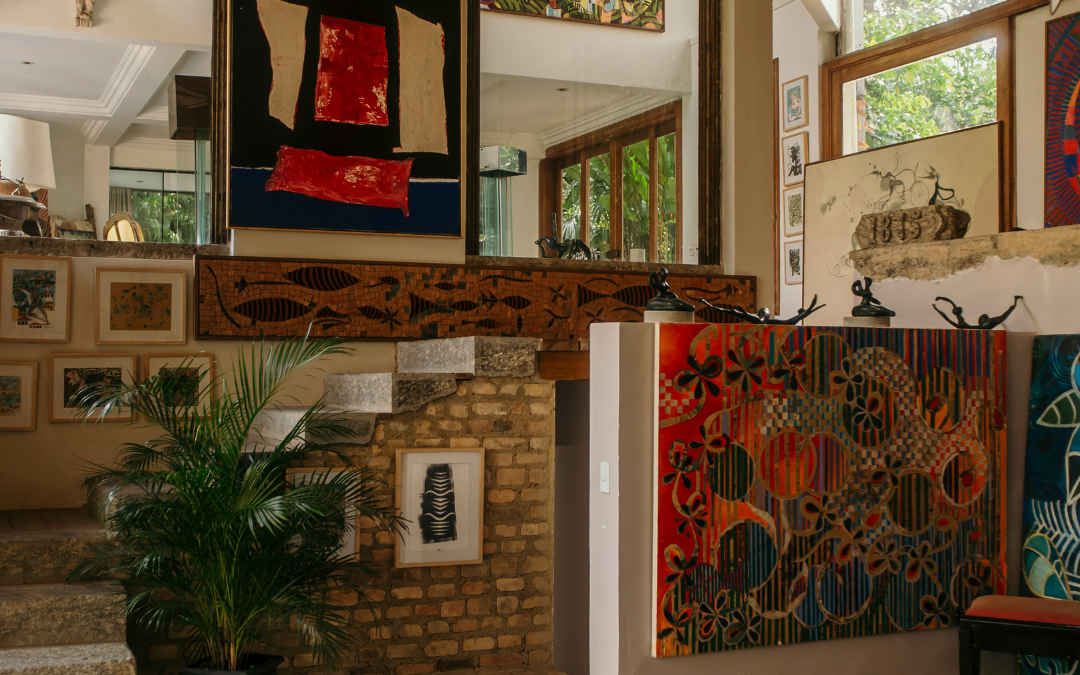
The hotels that endure are not the ones designed to feel exciting in their first year. They are the ones designed to be genuinely worth returning to after the excitement of novelty has faded. That quality comes from honest materials that improve with age, specific cultural references that anchor the space in its place, artwork chosen with genuine intention, a philosophy of hyperlocalism that connects the space to its community, and a commitment to endurance over trend.
These principles produce spaces, whether hotels or homes, that people genuinely love rather than simply appreciate. And a space that is genuinely loved is a space that has been designed well.
If you would like help designing a home that is built to be loved for a long time rather than simply to impress on first viewing, get in touch. It is exactly the kind of brief we find most rewarding.


