

The dining room is the room most likely to be the setting for the moments that matter. Celebrations, conversations, gatherings that run longer than expected because no one wants to leave. A well-designed dining space does not just accommodate these moments. It actively creates the conditions for them by making people feel comfortable, at ease, and genuinely pleased to be where they are.
The most compelling dining spaces, whether intimate domestic rooms or grand designed environments, share a consistent set of principles. Here is what they get right and how to apply it in your own home.
.jpg)
Every successful dining room has one element that anchors the space and gives it a clear visual centre. Without a focal point, a dining room feels like a room with a table in it rather than a designed environment. With one, even a modest space feels considered and complete.
The most effective focal points in a dining room are a fireplace, a significant piece of artwork, or a statement light fitting above the table. Each of these draws the eye, creates atmosphere, and gives the room a sense of purpose beyond its function. A fireplace positioned on the wall at the end of a rectangular dining table creates a classic composition that has anchored dining rooms for centuries. A large-scale artwork above a sideboard or on the wall most visible from the table gives the room a cultural and personal dimension that furnishings alone cannot provide.
The choice of focal point should be made before any other decision in the room, because every other element, the table, the chairs, the lighting, the wall colour, should be chosen in response to it rather than independently of it.
Lighting is the most important design decision in a dining room and the most commonly underinvested. Dining happens primarily in the evening, which means the artificial lighting of the space carries more weight than in almost any other room in the home.
A chandelier or pendant hung directly above the table is the traditional dining room lighting solution for good reason. It concentrates the light where the activity is, creates a visual ceiling over the table that makes the seating arrangement feel enclosed and intimate, and provides a statement design element that contributes to the room's character during both day and night.
The height at which a pendant or chandelier is hung matters significantly. Too high and it loses its intimacy and its functional effectiveness. The standard recommendation is to hang the fitting approximately 75 to 90 centimetres above the table surface, with adjustments for ceiling height and the scale of the fitting. A dimmer switch is non-negotiable. The ability to reduce the light level as the evening progresses is what shifts the dining room from a place to eat into a place to linger. Beacon Lighting carries a strong range of dining room pendants and chandeliers suited to Australian residential dining rooms across a range of styles and price points.
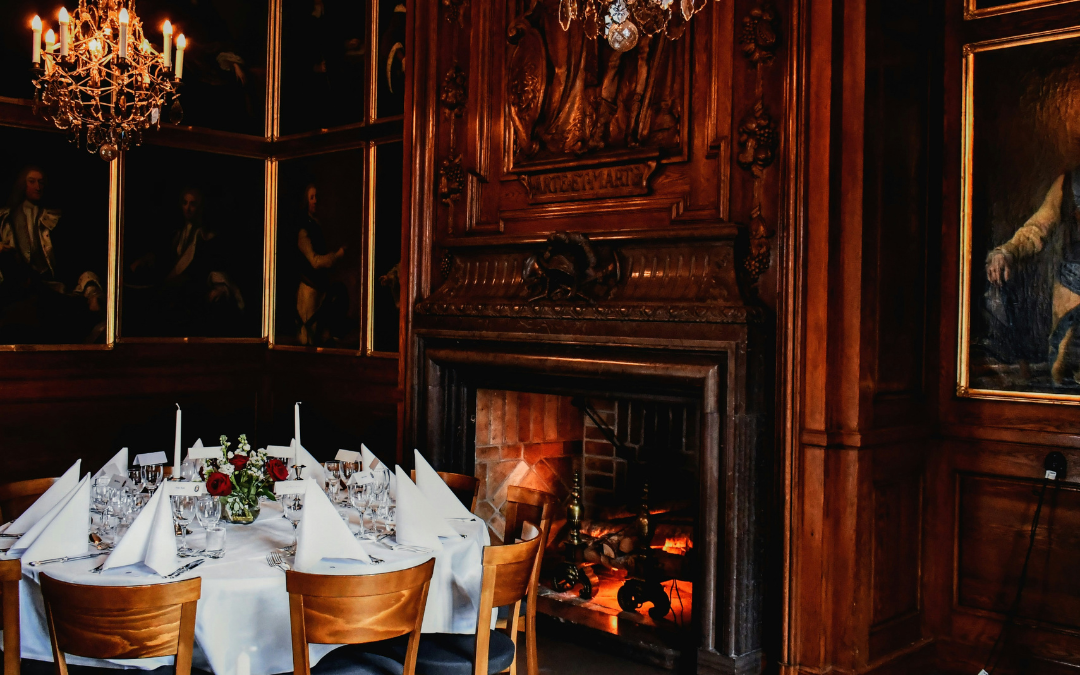
A dining room can be designed to create almost any mood, from the whimsical and playful to the modernistic and minimal, from the lavishly upholstered and richly coloured to the spare and architectural. The most important design decision is choosing a mood with genuine commitment rather than hedging between several competing directions that produce a room without a clear character.
A dining room designed for warmth and intimacy uses deep, rich wall colours, soft candlelight, an upholstered chair with textural fabric, a timber table with visible grain, and artwork in warm tones. Every decision reinforces the same emotional direction.
A dining room designed for contemporary elegance uses a clean palette, sculptural furniture with strong lines, a statement pendant in a refined material, and a single strong art work or material moment that does the work of providing character within an otherwise restrained environment.
The discipline in both cases is the same: identify the mood you are designing for and evaluate every element against it. A warm, intimate dining room is undermined by chrome chair legs and cool-toned lighting. A contemporary elegant dining room is undermined by mismatched chairs and a fussy tablecloth. Commitment to a single direction produces a better result than compromise between several.
The dining table is the most important piece of furniture in the room and deserves to be chosen with the same care as any significant design object. Its material, form, size, and finish set the tone for everything around it and determine how the room feels when it is both set for dining and empty between meals.
A table in a beautiful natural material, solid timber with visible grain, honed marble with dramatic veining, or a bronze or stone-topped frame, has a presence when empty that a standard laminate or veneered table cannot match. This matters because the dining table is visible from the moment anyone enters the room, long before it is set or occupied.
The shape of the table also affects the social dynamics of the dining experience. A round table encourages conversation across the whole group rather than along two sides, which suits smaller gatherings and more intimate occasions. A rectangular table suits larger groups and more formal settings but creates a natural head-of-table dynamic that some hosts prefer and others find constraining. An oval table offers a compromise, the intimacy of a round with the capacity of a rectangular. GlobeWest carries dining tables across a range of materials, shapes, and sizes suited to Australian residential dining rooms.
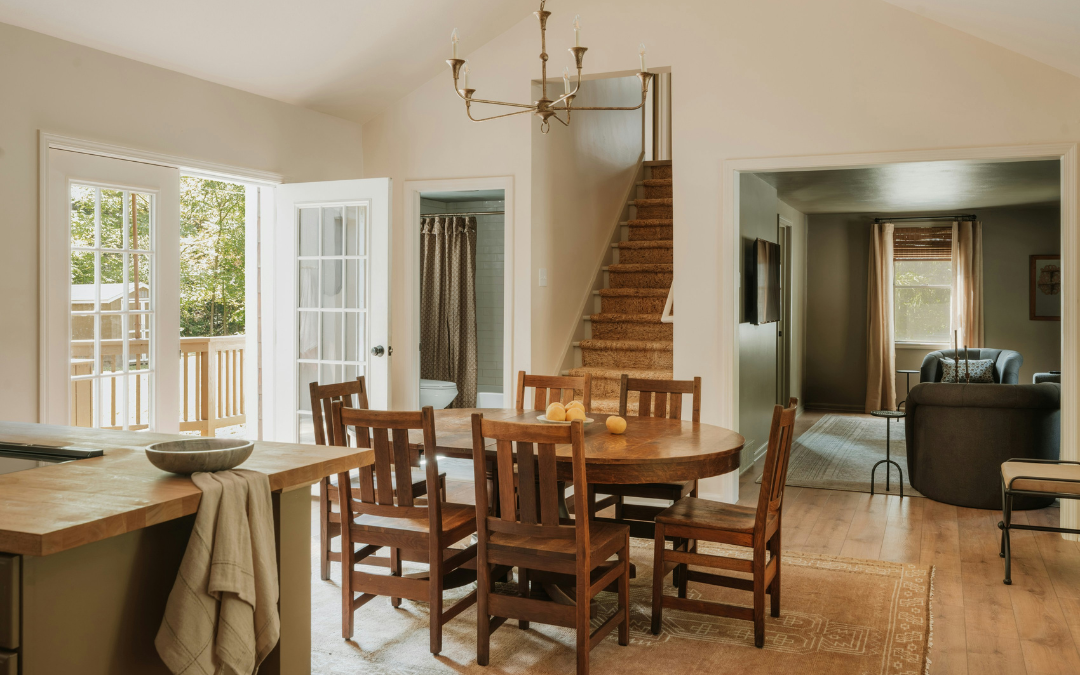
The most memorable dining environments, whether in domestic or public settings, are the ones where every element has been considered as part of a unified concept rather than assembled independently. The table, the chairs, the lighting, the centrepiece, the wall colour, the tableware, and the accessories all speak the same design language and together create an environment rather than simply a room with furniture.
This concept of the dining installation, where every element is chosen in deliberate relationship to every other element, is worth applying at any scale of dining room design. It does not require a large budget or a complex scheme. It requires the discipline of choosing a clear concept and evaluating every element against it before committing.
A dining room concept might be as simple as: warm, botanical, and slightly theatrical. Every element is then chosen against those three words. The wall colour is a deep botanical green. The table is a dark timber with visible grain. The chairs are upholstered in a botanical print fabric. The lighting is warm and low. The centrepiece is a generous arrangement of foliage. The result is a room with a clear identity that feels designed rather than furnished.
The dining spaces that feel most alive and most personal are the ones where artwork and personal objects are integrated into the designed environment rather than added as an afterthought. A collection of artworks on the dining room wall that has been arranged with genuine care. A significant piece of sculpture on a sideboard that creates visual interest between meals. A collection of objects from travels displayed on open shelving. A family heirloom incorporated into the table setting on special occasions.
These personal elements give a dining room the quality of belonging to someone specific, which is what makes the space feel genuinely welcoming to guests rather than merely impressive. The most memorable dinner parties happen in rooms that feel lived in and personal rather than in rooms that feel staged for the occasion.
The Print Emporium offers a range of art prints suited to dining room walls that can be framed and hung to create a considered collection without the investment of original works.
The most successful dining spaces, from intimate domestic rooms to grand designed environments, share the quality of making the people who gather in them feel that the occasion has been considered and that their presence matters. That quality does not come from expensive furniture or elaborate styling. It comes from a set of consistent design decisions that together create an environment greater than the sum of its parts.
A clear focal point. Lighting designed for atmosphere. A committed mood. A table chosen as a design object. A unified concept. Personal objects that make the room feel inhabited. These decisions, made with genuine thought and genuine commitment, produce a dining room that people want to return to.
If you would like help designing or refreshing your dining room, get in touch. It is one of the rooms we most enjoy getting right.


