

The homes that people genuinely love living in are rarely the ones designed primarily to impress. They are the ones where comfort and practicality were treated as design priorities from the beginning, not as concessions made after the aesthetic decisions were locked in. The result is a different kind of interior, warmer, more personal, and more genuinely enjoyable to spend time in than spaces designed first for appearance.
Here are the principles behind homes that get this balance right.
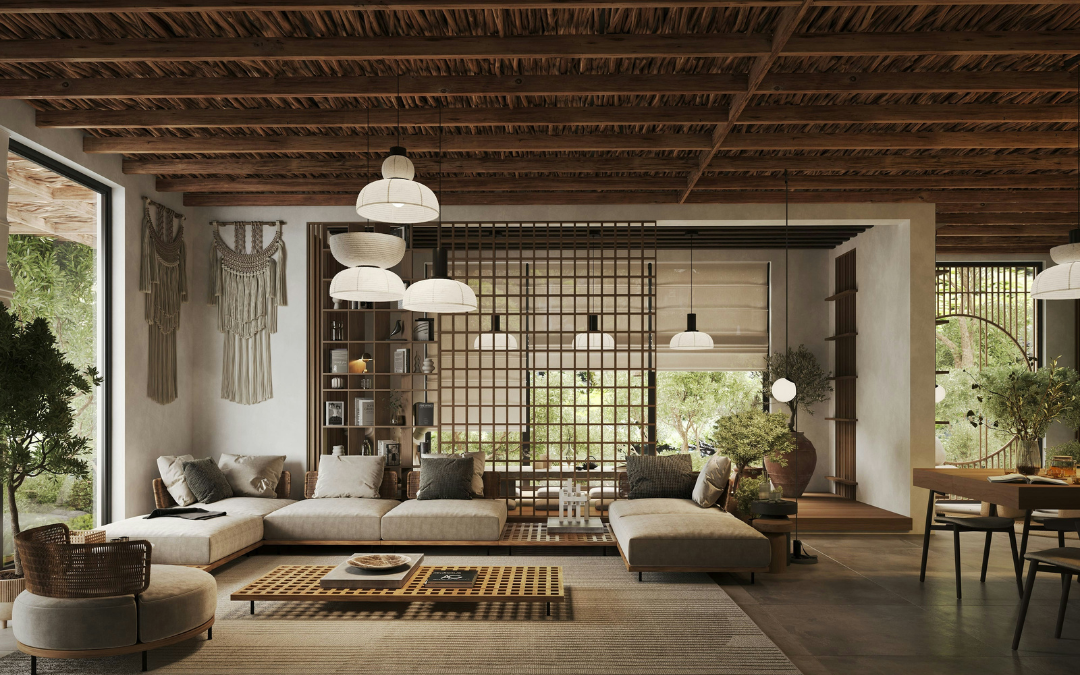
The most coherent home interiors are the ones where the design decisions respond to the architecture of the building rather than being imposed onto it. A mid-century home with its characteristic low roofline, clerestory windows, and connection to the garden has a specific spatial quality and a specific material vocabulary that contemporary furniture can either support or fight against.
When the interior responds to the architecture, the result feels inevitable rather than assembled. Warm timber furniture in a mid-century home echoes the timber structure of the building. Concrete and leather surfaces respond to the materiality of the original construction. The furniture choices feel as though they belong in that specific building rather than having been moved in from somewhere else.
Before making any significant furniture or material decision in a home renovation or fit-out, spend time understanding what the building is asking for. The answers are usually already present in the proportions, the material palette, and the spatial quality of the existing architecture.
The most enduring home interiors are the ones where the people who live in them were genuinely considered from the start. What do they actually do in this room? How do they use this furniture? What do they need within reach? What makes them feel at ease?
These questions produce different answers for different households, and the most successful interiors reflect those specific answers rather than a generic idea of what a well-designed room should contain. A home designed for a family with young children prioritises surfaces that can be wiped down, furniture that can be climbed on without guilt, and storage systems that actually get used. A home designed for entertaining prioritises generous seating arrangements, a dining space that accommodates more people than usual, and a kitchen that allows the host to be part of the conversation.
The discipline is to ask these practical questions first and let the aesthetic decisions follow, rather than making the aesthetic decisions first and then trying to make practicality fit within them. A home that is genuinely comfortable to live in almost always looks better over time than one designed for appearance that slowly accumulates the compromises required for actual living.
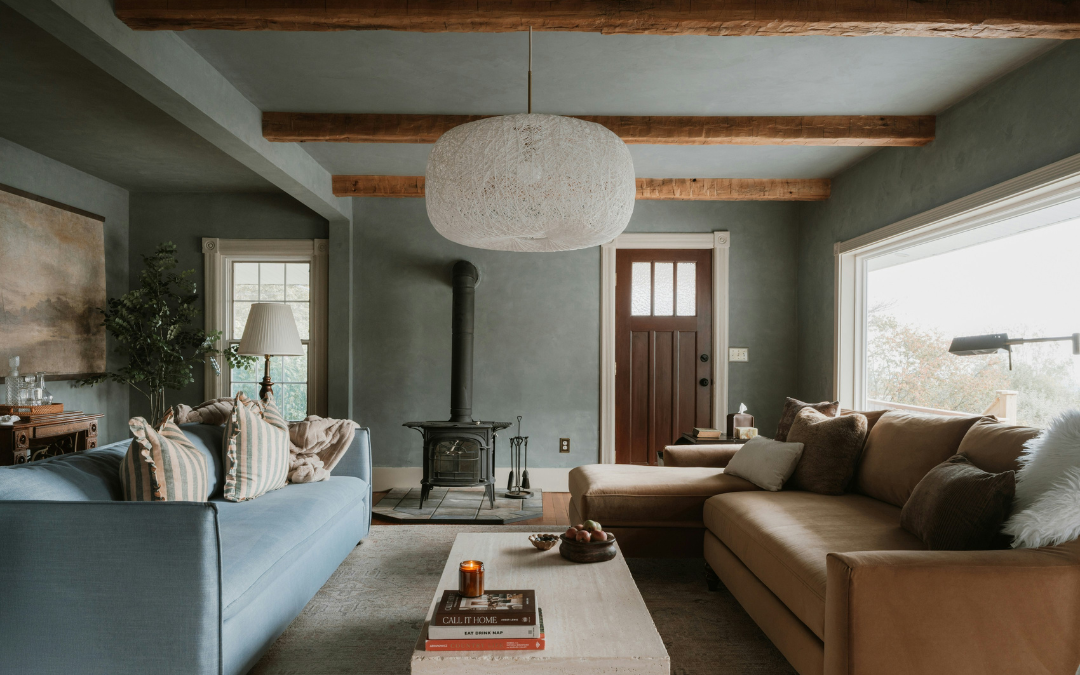
The rooms that feel most designed are almost always the ones where a single significant statement piece anchors the space and gives everything else something to organise around. A custom concrete dining table that becomes the centrepiece of a dining room. A leather daybed in a living room corner that provides a distinct alternative to the main sofa. A pair of copper pendants that frame a bed and give the bedroom its lighting signature.
Each of these pieces is chosen with genuine commitment rather than as a default. The concrete table is not simply a dining table; it is a material statement about weight, permanence, and the value of craftsmanship. The leather daybed is not simply extra seating; it is a piece that invites a different kind of use and creates a different atmosphere in the room. The copper pendants are not simply bedside lights; they are the design decision that gives the bedroom its warmth and its character.
The principle is to identify one piece in each room that is worth the investment of genuine thought and genuine budget, and then to choose the supporting elements in service of that piece rather than in competition with it.
The choice between polished, lacquered, and unlacquered metal finishes has significant implications for how a home feels over time. Lacquered brass maintains its bright, consistent appearance indefinitely but never develops the warmth and character that comes with genuine use. Unlacquered brass, by contrast, develops a patina with exposure that becomes more interesting and more beautiful over time, shifting from bright gold to a warmer, deeper tone that feels genuinely aged rather than artificially distressed.
In a home designed for comfort and longevity rather than pristine appearance, unlacquered brass and aged metal finishes are worth considering wherever hardware, tapware, and light fittings are specified. They suit the aesthetic of both mid-century and Mediterranean-influenced architecture, they complement warm timber floors and natural stone surfaces, and they signal a design philosophy of quality and character over consistency and perfection.
The same principle applies to other surfaces that develop character with use. A honed marble benchtop that marks and stains slightly develops a history that a polished surface never accumulates. A solid timber floor that shows the wear of daily life has a quality of authenticity that a surface-protected floor never achieves. Choosing materials for their journey rather than their pristine state is one of the most consistent qualities of the most liveable homes.
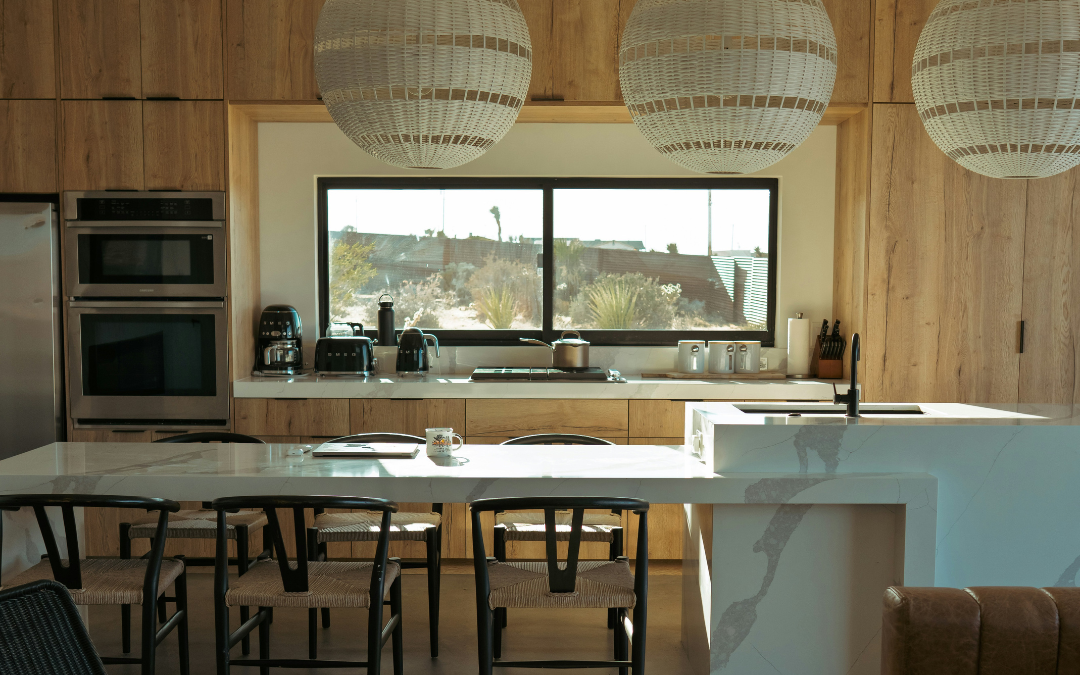
The trend toward warm-toned cabinetry in contemporary kitchen design reflects a broader shift in how people want to feel in their homes. The all-white kitchen, while visually clean and consistent, can feel clinical and cold in a way that warm timber, painted cabinetry in earthy tones, or richly coloured joinery does not.
Warm-toned cabinetry in honey oak, walnut, or a deep painted tone in terracotta, olive, or navy creates a kitchen that feels genuinely welcoming rather than merely well-equipped. It suits the shift toward kitchens as gathering spaces where people linger rather than functional rooms to be passed through.
The supporting decisions in a warm kitchen, the hardware finish, the benchtop material, the pendant lighting, and the flooring, all need to respond to the warmth of the cabinetry rather than working against it. Brushed oak floors, stone benchtops with warm veining, and brass or copper hardware all contribute to a kitchen that feels coherent and genuinely warm. Dulux has an extensive range of painted cabinetry colours suited to this warm kitchen direction.
The contrast between strong architectural bones and soft, plush furnishings is one of the most reliably successful combinations in interior design. A home with clear architectural character, whether mid-century, Mediterranean revival, or contemporary, is enriched rather than softened by furniture that invites physical comfort.
Curved sofas, rounded dining chairs, deeply upholstered seating, and plush textiles in linen, velvet, and bouclé all provide the physical softness that makes a designed interior feel genuinely comfortable rather than impressive but slightly forbidding. The architectural lines give the room its structure and its character. The soft furnishings give the people who occupy it permission to relax.
This combination also photographs well, which is a practical consideration for any home that will be listed for sale or rental at some point. The contrast between clear architectural lines and inviting soft furnishings creates images with both structural interest and warmth. GlobeWest carries a range of curved and softly upholstered furniture suited to this approach across both contemporary and more traditional interiors.
The architectural vocabulary of Mediterranean and Moroccan design, arched openings, geometric tile patterns, unlacquered brass fixtures, and layered textiles, has a warmth and richness that suits the Australian climate and aesthetic sensibility particularly well. The homes that apply these references most successfully are the ones that use them selectively rather than thematically.
A Moroccan tile used as a single material moment in a bathroom, surrounded by plain white walls and simple fixtures, creates a striking and beautiful feature. The same tile applied to every surface in the bathroom creates a themed environment that can feel more like a hotel lobby than a home. A single arched opening between rooms creates an architectural gesture that references Mediterranean design without overwhelming it. A room full of arched openings creates something more costume-like than considered.
The discipline is to choose one or two references from the architectural tradition you are drawing from and apply them with commitment and restraint, letting the surrounding palette and materials amplify rather than compete with those references. Beaumont Tiles carries a range of Moroccan-influenced and geometric tiles suited to this restrained, single-moment application.
A home with significant outdoor entertaining space, whether a pool area, a terrace, or a garden, benefits from the same design intention applied to the indoor spaces. The outdoor areas that people gravitate toward and remember are the ones where specific decisions were made about how they should function and feel, rather than simply where furniture was placed.
A swim-up bar at the edge of a pool creates a social gathering point that functions differently from poolside sun loungers and generates a different kind of entertaining dynamic. A covered outdoor dining area with proper lighting extends the usable life of the outdoor space into the evening and the cooler months. A yoga or movement space positioned to take advantage of morning light and privacy creates a dedicated zone for wellbeing that gives the outdoor area a purpose beyond aesthetics.
The outdoor spaces that work best are the ones where each zone has been designed for a specific activity and a specific time of day, rather than one undifferentiated paved area with furniture scattered across it. This is the same zoning principle that makes indoor spaces more functional and more enjoyable, applied at the scale of the garden or terrace.
The homes that people genuinely love are the ones where someone asked the right questions at the start: who lives here, how do they actually live, what do they need to feel comfortable and at ease, and what does this building want to be? The answers to those questions, followed through with genuine commitment, produce interiors that are warm, personal, and enduringly liveable.
If you would like help bringing these principles into your own home, whether you are renovating, furnishing from scratch, or simply refreshing what you have, get in touch. It is the kind of brief we find most rewarding.


