

Polished concrete has travelled a long way from its industrial origins. What began as a flooring solution for warehouses and commercial spaces has become one of the most sought-after surfaces in contemporary Australian homes, and for good reason. It is durable, low-maintenance, visually striking, and more versatile than most people realise. But it is also a significant and largely permanent decision, which means understanding it properly before you commit is time well spent.
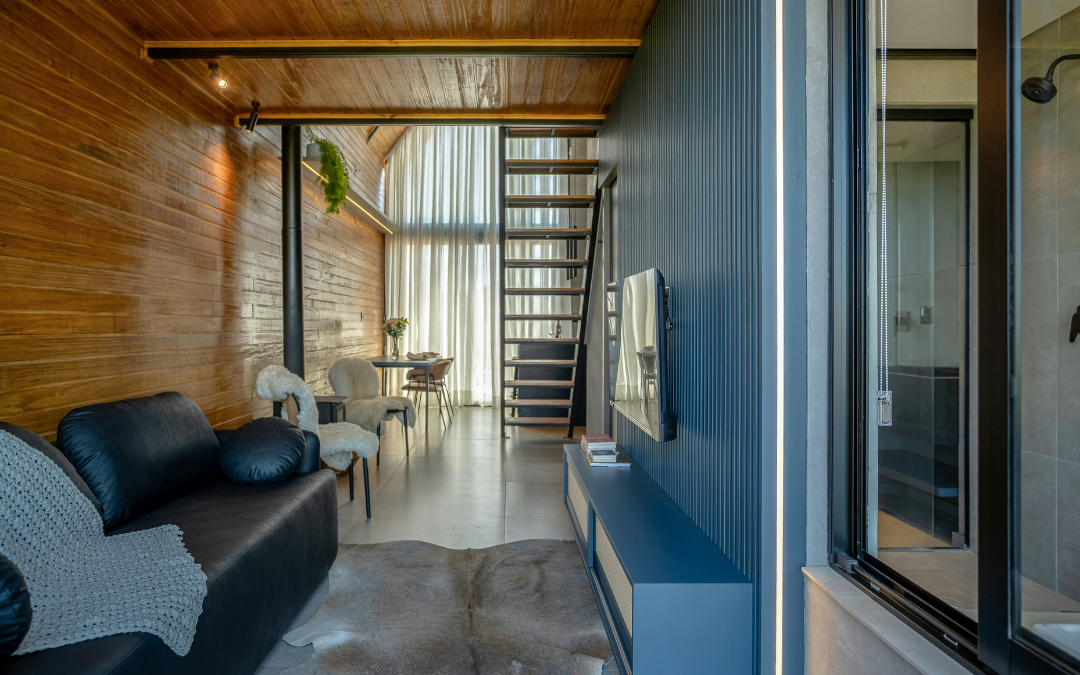
The concept of polished concrete has been around for roughly thirty years in its modern form, though the practice of sealing and finishing concrete surfaces is much older. The original technique involved coating a concrete floor with a mixture of beeswax, turpentine, and mineral pigment, then polishing it vigorously by hand until the surface achieved a sheen. Today the process has been transformed by diamond grinding technology and a wide range of sealing and finishing products that allow for far greater control over the final appearance.
Concrete flooring has several practical advantages that make it a genuinely compelling choice for the right home and the right application.
Its reflective surface bounces light around a room, which makes spaces feel brighter and more generous than they might with a matt or carpeted floor. This is particularly valuable in homes with good natural light, where polished concrete amplifies the effect significantly.
It is also one of the most durable floor types available. A well-laid and properly sealed concrete floor will outlast almost any other surface in the home and requires very little ongoing maintenance. Because the surface is smooth and non-porous when sealed, dust and allergens do not embed themselves the way they do in carpet, making it a genuinely good choice for households with asthma or allergy sufferers.
Polished concrete is also relatively affordable compared to other high-end flooring options, particularly when you consider its lifespan. It is made from natural materials, requires no harsh chemicals to clean, and does not need replacing in the way that carpet or timber eventually does.
The one practical consideration worth noting is thermal comfort. Concrete retains cold in winter, which can make it uncomfortable underfoot in cooler climates without the addition of hydronic underfloor heating or rugs in living and sleeping areas. In Melbourne's climate this is worth planning for at the specification stage rather than retrofitting later.
Understanding the difference between the three main polished concrete techniques helps you choose the right finish for the look and performance you are after.
Steel trowelled is the most straightforward technique, producing a flat, smooth surface with a subtle sheen. Some trowel marks may be visible in the finished surface, which adds a handmade quality that suits certain interior styles well. It is often the most affordable option.
Burnished concrete involves steel trowelling followed by the application of floor waxes, liquid polishes, or resin-based coatings that are then burnished with polishing equipment to achieve a glossier, more lustrous surface. This technique produces a more refined and consistent finish than steel trowelling alone and is well suited to contemporary residential interiors.
Honed concrete is created by grinding the surface with abrasive equipment until a smooth, matt finish is achieved. The grinding process exposes the aggregate within the concrete, which affects the final appearance and gives the floor a more textural, organic quality. Honed concrete is low-maintenance, durable, and works particularly well in homes where a less polished, more natural aesthetic is the goal.
One of the most underappreciated qualities of polished concrete is how much creative flexibility it offers. The assumption that concrete floors are grey and monotonous is simply outdated.
Colour can be introduced at the mixing stage by adding pigments directly to the concrete, producing a floor that is consistently tinted throughout rather than painted on the surface. The range of available colours is broad, from warm terracottas and ochres to cool blue-greys and deep charcoals.
Staining and stencilling techniques allow for pattern and visual interest within the floor surface itself. A polyurethane lace stencil applied before sealing creates an old-world, artisanal effect. Plastic moulds filled with pigment can produce more geometric or whimsical patterns. Stamping techniques allow concrete to mimic the appearance of brick, tile, or stone, or to take on a completely original textured finish.
Aggregates added to the concrete mix also affect the final appearance once the surface is ground or honed, with different stone and gravel types producing subtly different colours and textures in the finished floor.
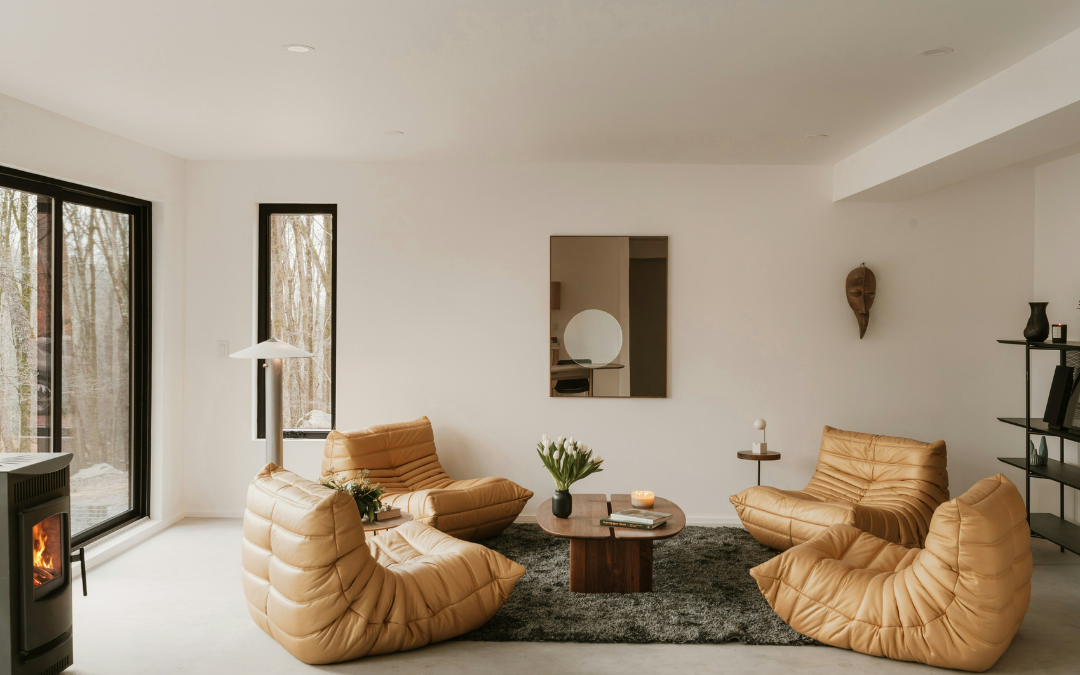
Polished concrete performs best in living areas, dining rooms, kitchens, bathrooms, and commercial spaces where its durability and easy maintenance are genuine advantages. In these rooms it sits beautifully alongside warm timber furniture, natural textiles, and the kinds of layered, considered interiors that Ferrari Interiors works with regularly.
In bedrooms, the thermal properties of concrete require more careful management. A generous rug underfoot and adequate heating will make a concrete-floored bedroom comfortable year-round, and the combination of polished concrete and layered textiles creates a striking contrast that suits a contemporary or industrial-influenced aesthetic particularly well.
Polished concrete also works exceptionally well as the foundation for an indoor-outdoor flow, where the same surface extends from an interior living space onto a covered outdoor area. The continuity of material makes both spaces feel larger and more connected. Beaumont Tiles is a useful reference point if you are considering how polished concrete might transition into tiled areas within the same home, as the material junction between the two requires careful detailing.
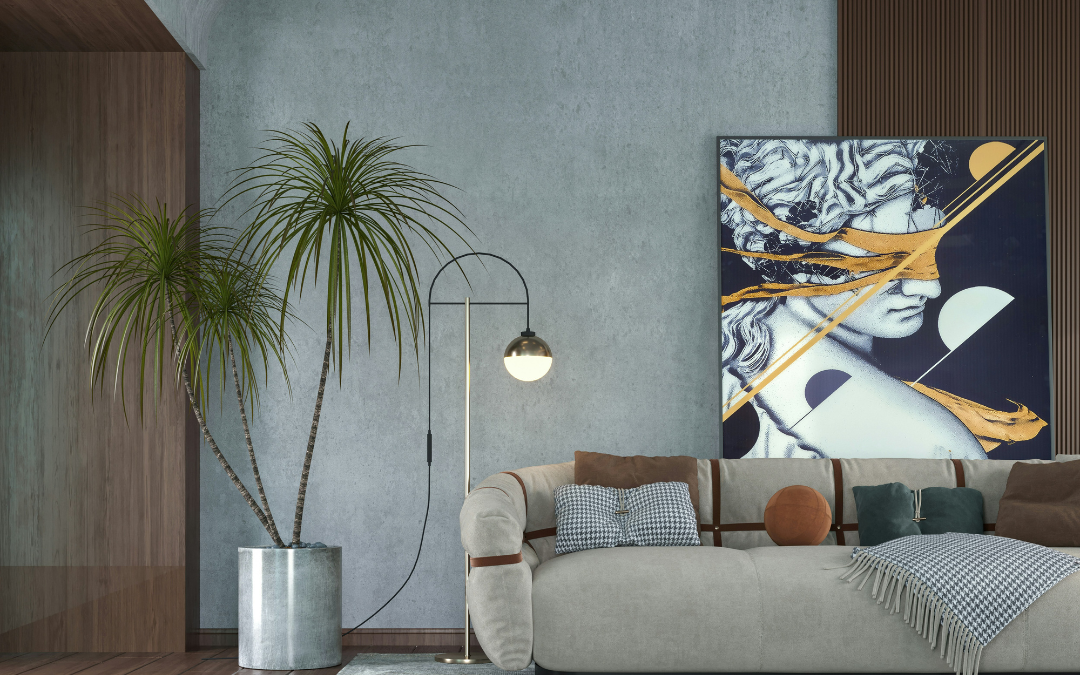
Polished concrete suits the Australian lifestyle well. It handles foot traffic, pets, and the indoor-outdoor movement of daily life without complaint, looks better with age rather than worse, and provides a neutral foundation that works with almost any interior direction you choose to take a room.
If you are considering polished concrete for a renovation or new build and would like advice on finish, colour, and how it will work with the rest of your interior, get in touch. Flooring is one of the most significant decisions in any interior project and we are happy to help you get it right.


