

Something interesting has happened in the design of commercial spaces over the past decade. The most compelling interiors are no longer simply well-decorated rooms. They are total environments, spaces where every surface, every object, every material choice, and every detail contributes to a single coherent experience. Walking into one of these spaces, you feel something specific before you can identify what is causing it.
The principles behind this kind of design are not exclusive to large budgets or famous brands. They are transferable to any scale of project, residential or commercial, and understanding them gives you a more powerful toolkit for designing spaces that genuinely affect the people who enter them.
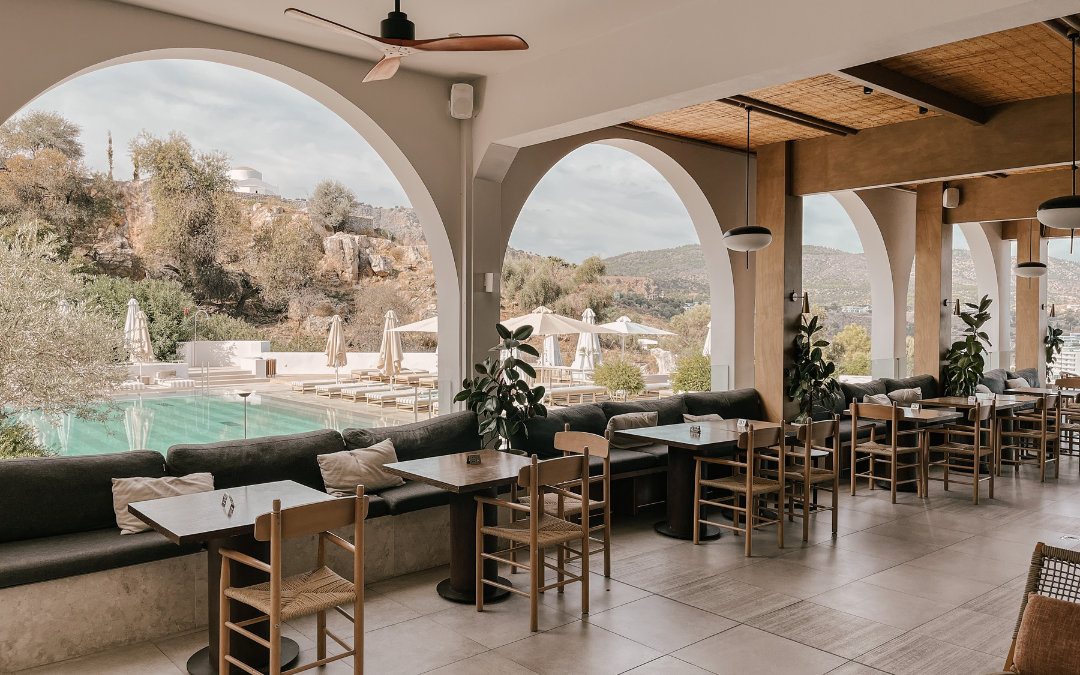
The most immersive commercial interiors do not rely on signage or branding to communicate who they are. The identity is expressed through the materials, the colour palette, the furniture, the tableware, the lighting, and the sensory details. Every element is a deliberate extension of the same design language, and the cumulative effect is a space that feels entirely coherent.
This is a principle with direct application in residential design. A home that expresses its owner's identity through consistent material and colour decisions, rather than through decorative objects and artwork alone, has a quality of intentionality that is immediately felt. The question to ask of every design decision is not just "do I like this?" but "does this belong to the same world as everything else in this room?"
In practice this means choosing a palette and committing to it across surfaces, textiles, and objects. It means selecting hardware, lighting, and accessories that share a finish family. It means letting the identity of the space emerge from the accumulation of consistent decisions rather than from a single statement piece.
Some of the most striking commercial interiors use a single dominant colour or pattern across every surface, walls, floors, upholstery, tableware, and accessories, to create a total colour environment that is immediately recognisable and immediately immersive.
This is a bold approach that requires genuine commitment. A half-hearted version, a dominant colour on one wall with everything else neutral, produces neither the impact of a full-colour environment nor the calm of a neutral one. The principle only works when it is applied with complete conviction.
In a residential context, a full-colour environment works best in a contained space where the intensity can be controlled and the contrast with the rest of the home becomes part of the effect. A dining room in a deep, saturated tone. A bathroom tiled floor to ceiling in a single pattern. A study lined with bookshelves in a rich colour that makes it feel like a room apart. These spaces become destinations within the home, rooms with a specific character that distinguishes them from the spaces around them.
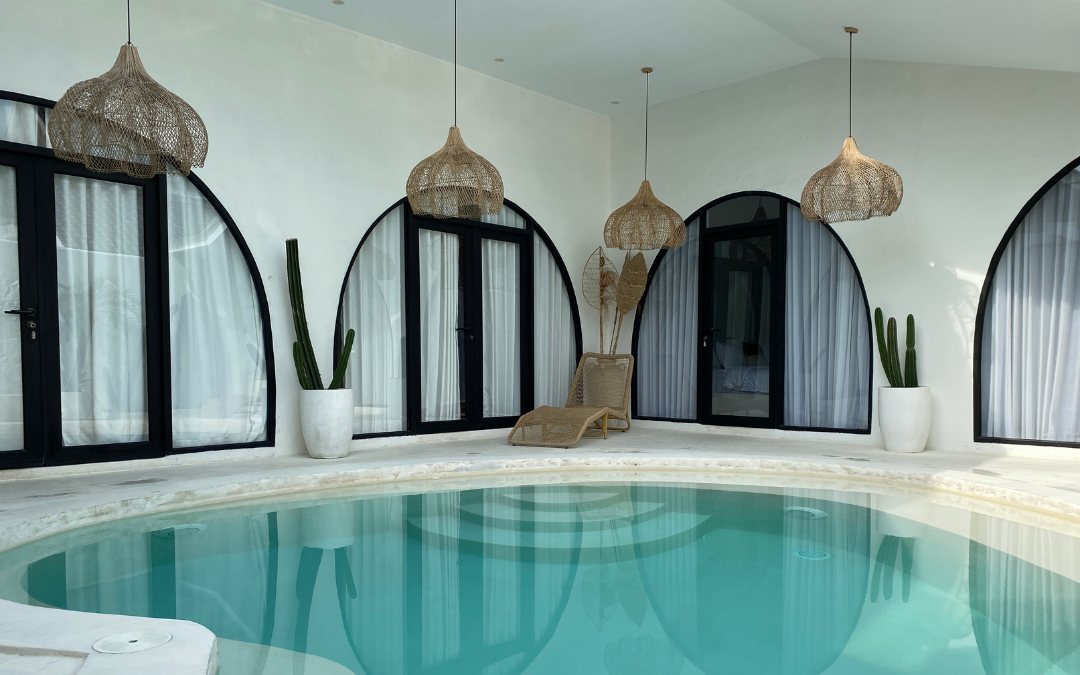
Many of the most compelling contemporary interiors draw from a specific historical reference: a particular architectural era, a cultural tradition, a specific period of design history. The ones that work do not reproduce the historical reference wholesale. They distil its essential qualities, its proportions, its material palette, its mood, and reinterpret them through a contemporary lens.
The result is a space that feels rooted and familiar rather than arbitrary, while still being entirely of its moment. The heritage reference provides the emotional warmth and sense of belonging that purely contemporary design can sometimes lack. The contemporary interpretation prevents it from becoming a costume.
In residential design this principle is most relevant when working with period homes that have existing architectural character. The instinct is often to either preserve everything as found, which can feel museum-like, or to strip everything back to a blank canvas, which loses the character that made the building worth choosing. The more interesting path is to work selectively: preserving the elements that give the building its identity while reinterpreting the interior in a way that feels genuinely current.
The most memorable commercial interiors are designed around a specific emotional intention: relaxation, discovery, indulgence, intimacy, exhilaration. Every design decision, from the lighting level to the ceiling height to the texture of the upholstery, is evaluated against that intention. Does this contribute to the feeling we are trying to create, or does it work against it?
This is a discipline that residential design benefits enormously from. Most homes are designed around practical requirements, the number of bedrooms, the size of the kitchen, the storage needs, without a clear articulation of how the finished home should feel to live in. The practical requirements are necessary but not sufficient. A home that has been designed around a specific emotional intention, calm, warm, expansive, playful, gathered, will feel fundamentally different from one that has been designed around practical requirements alone, even when the two homes are identical in plan.
The most useful exercise before beginning any significant design project is to describe in three or four words how you want the finished space to feel. Those words become the filter through which every subsequent decision is evaluated.
The most celebrated hospitality spaces in warm-climate locations treat the relationship between indoor and outdoor as a primary design consideration, not an afterthought. The transition between the two is seamless, with the same material palette, the same lighting quality, and the same level of comfort extended from inside to outside.
This principle is directly relevant to Australian residential design, where the climate supports genuine outdoor living for much of the year. A home that treats its outdoor spaces as fully considered rooms, with quality furniture, considered lighting, weather-appropriate materials, and a visual connection to the interior, has a quality of generosity and livability that a home with an afterthought patio does not.
The starting point is treating the outdoor space with the same design intention as the indoor spaces. The same questions apply: what is this space for, how will it feel to be in it, what materials will it be made of, and how does it connect to what is around it?
In the most immersive commercial interiors, the quality of execution is consistent from the largest architectural decision to the smallest object on the table. The same care that went into choosing the flooring went into choosing the tableware. The same thinking that determined the wall colour determined the colour of the napkins.
This consistency of detail is what creates the feeling of genuine quality that visitors sense but often cannot articulate. It is not any single element that produces this effect. It is the accumulated experience of finding that every detail has been thought about.
In residential design this is the principle most often sacrificed in favour of budget or time. The architectural and furniture decisions receive attention and investment, and the accessories, the hardware, the lighting, and the finishing details are chosen quickly or left until last. The result is a home where the headline decisions are strong and the detail undermines them.
The most considered homes are the ones where the same level of attention has been paid to the choice of door handles as to the choice of kitchen benchtop. Not the same budget, but the same thought. Those details are what make a home feel finished rather than merely furnished.
The principles that make the world's most immersive commercial interiors so compelling are not mysterious or exclusive. They are consistent, transferable, and applicable at any scale. Express identity through every decision. Commit fully to a colour or material approach. Draw from heritage without reproducing it. Design for a specific emotional experience. Treat indoor and outdoor as a continuum. Make the details as considered as the headline choices.
A home designed around these principles does not need a famous architect or an unlimited budget. It needs clarity of intention and the commitment to follow it through every decision, large and small.
If you would like help bringing more intention and coherence to your own home or commercial space, get in touch. It is exactly the kind of thinking we bring to every project.


