

The coworking space has matured considerably since its early days of bare desks and exposed ceilings. The most successful shared workspaces today are genuinely designed environments, spaces that feel warm, considered, and deliberately different from the corporate offices their members are often escaping. They attract members not just because of their location or price point but because of how they feel to spend time in.
Understanding what makes a coworking space genuinely compelling is useful whether you are designing one, fitting out a shared office, or simply thinking about what the best workspace environments can teach us about designing any space where people gather to work, create, and connect.
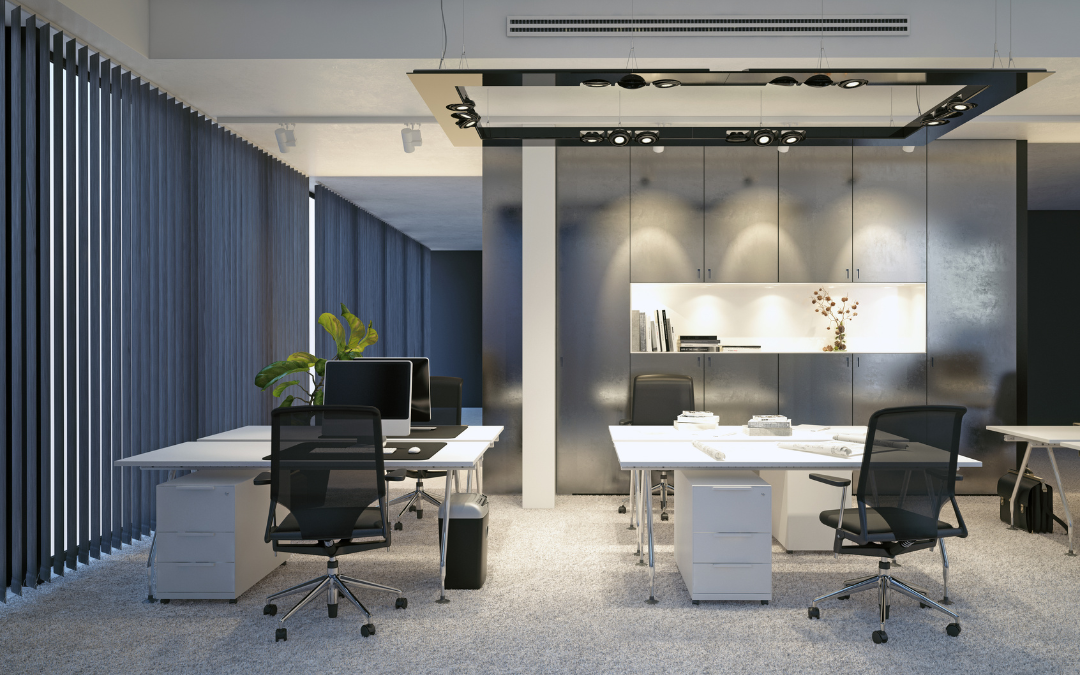
The most successful shared workspaces are designed around a specific community rather than a generic user. When a space has a clear sense of who it is for, every design decision can be evaluated against that identity. The colour palette, the furniture choices, the artwork, the amenities, the bookcase selection, all of it can reflect and reinforce the values and character of the people the space is meant to serve.
This produces an environment that members feel a genuine sense of belonging to rather than simply renting a desk in. The design signals to every person who walks in that this space was made with them specifically in mind, which creates an emotional connection that a generic office environment never achieves.
The residential equivalent of this principle is designing a home around the specific people who live in it rather than around a generalised idea of what a home should contain. A home that reflects the actual books its owners read, the actual colours they respond to, the actual activities they prioritise, feels fundamentally different from one designed around received ideas of what a home should look like.
The default workplace palette of white walls, grey carpet, and black furniture produces environments that are visually neutral but emotionally flat. The most compelling coworking spaces reject this default in favour of something richer and more layered.
Deep, saturated wall colours paired with fresh whites. Textured fabrics in velvet, bouclé, and plush weaves. Layered rugs that define different zones within an open floor plan. Warm timber surfaces alongside upholstered furniture. These choices produce spaces that feel genuinely inviting rather than merely functional, and that give members a sensory richness that makes sustained time in the space feel comfortable rather than draining.
The principle that makes this work is the same one that applies in residential design: contrast and layering. A deep wall colour reads more beautifully against a fresh white ceiling. A velvet chair reads more richly against a textured rug. The richness comes from the relationships between elements, not from any single element in isolation.
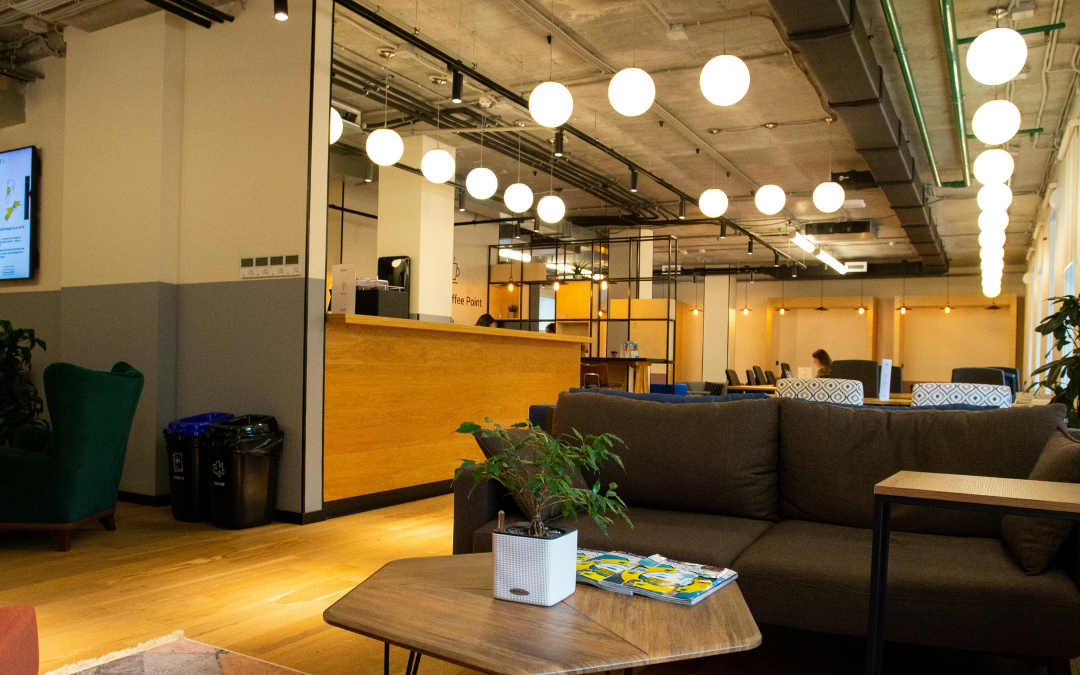
Art and carefully chosen objects can do something that architecture and furniture alone cannot: they give a space a specific point of view. A bookcase filled with books relevant to the community the space serves. Artwork commissioned from artists who reflect the values of the membership. Custom graphics that reference the history and character of the space. These choices communicate something specific about what the space stands for and who it belongs to.
In a commercial workspace context, this is a genuine differentiator. Members choose spaces not just for practical reasons but because of how those spaces make them feel about themselves and their work. A space with a clear and confident point of view attracts members who share that point of view, which creates a self-reinforcing sense of community and belonging.
The Print Emporium is worth exploring for art prints that can bring a specific character or point of view to a workspace without the investment of commissioned original works.
The most functional shared workspaces are not single-mode environments. They contain spaces for focused individual work, spaces for informal collaboration, spaces for formal meetings, spaces for eating and socialising, and spaces for private phone calls or video meetings. Each mode requires a different spatial configuration, a different acoustic quality, and a different level of enclosure.
Getting this right requires thinking carefully about the acoustic as well as the visual design of the space. Focused work zones need acoustic separation from collaborative areas. Private phone booths or enclosed pods give members the ability to take calls without disrupting others. Social areas benefit from a slightly higher noise threshold that signals permission to be relaxed and conversational.
The residential equivalent is the home office article covered separately on this site, which addresses how to create a workspace within a shared domestic environment. The principle of designing for multiple modes applies there too, the desk used for focused work in the morning needs to feel different from the same space used for video calls in the afternoon, which needs to feel different from the same space as a reading corner in the evening.
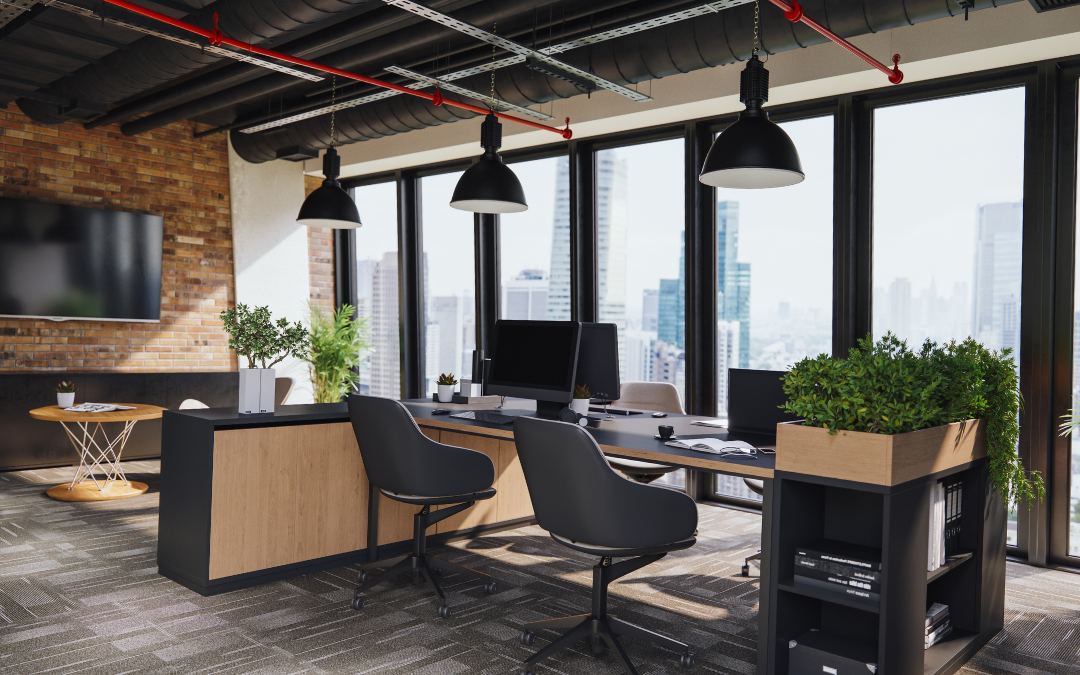
The coworking spaces that members describe most warmly are almost always the ones that include domestic details that a conventional office would never think to include. A well-stocked kitchen that feels like someone thought about it. A dedicated space for new parents. A beauty room. A library corner with considered book selection. These details communicate care and they transform a workspace from a service into a community.
The lesson for any shared workspace is that the amenities people remember and value most are rarely the headline features. They are the small details that signal someone paid attention to the full range of human needs rather than just the professional ones. Fresh flowers on a table. A well-chosen scent in a common area. A comfortable chair in an unexpected corner. These are the details that make a space feel genuinely looked after.
The coworking spaces that thrive are the ones that feel like somewhere worth choosing every day, not just somewhere functional to be. They achieve this through a consistent set of design decisions: a palette with warmth and richness, art and objects that give the space a specific identity, multiple modes of work accommodated within a single floor plan, and domestic details that signal genuine care.
These principles apply equally to any shared or commercial workspace, from a single-office studio to a multi-floor coworking facility. The scale changes but the thinking does not.
If you are designing or refreshing a commercial workspace and would like help creating an environment your team or members will genuinely want to spend time in, get in touch. We work across residential and commercial projects and bring the same level of care to both.


