

Parquet flooring has been having a moment in Australian interiors, and it is not hard to see why. The geometric patterns, the warmth of natural timber, and the sense of craft and history it brings to a space are qualities that few other flooring options can match. Whether you are renovating an older home, building new, or simply reconsidering what is underfoot, parquet is worth understanding properly before you make a decision.
Parquet flooring has its origins in 17th century France, where it was first installed at the Palace of Versailles in 1684. The technique involved hand-cutting small pieces of timber into geometric shapes, squares, triangles, and lozenges, and assembling them into intricate mosaic patterns. The skill required to lay these floors was extraordinary, which is why they were initially found only in the homes of royalty and the very wealthy.
By the 1930s, parquet began to fall out of favour as wall-to-wall carpet became fashionable and more affordable. For several decades it was considered old-fashioned. Today it has made a strong comeback, driven by a renewed appreciation for natural materials, craftsmanship, and the kind of visual interest that a plain timber plank floor cannot provide.
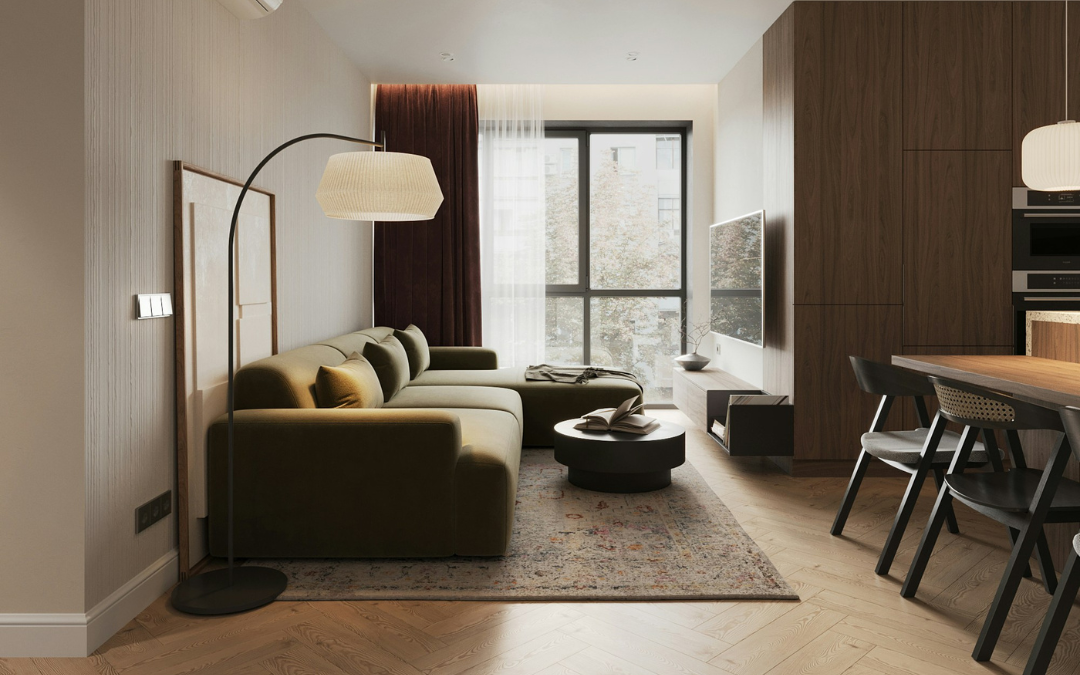
The herringbone pattern is the most widely used parquet style in contemporary Australian interiors and for good reason. The interlocking diagonal arrangement of rectangular timber blocks creates a dynamic, directional pattern that makes a room feel larger and more considered. It suits everything from period homes to new builds and works in almost every room of the house.
Chevron is a close relative of herringbone, with the key difference being that the timber pieces are cut at an angle so the pattern forms clean V-shapes rather than the offset zigzag of herringbone. Chevron tends to look slightly more formal and precise, which suits larger rooms and more contemporary interiors.
Beyond these two, basket weave, brick bond, and versailles patterns all offer distinct visual characters. The right choice depends on the size and proportion of the room, the style of the home, and the timber species and colour being used.
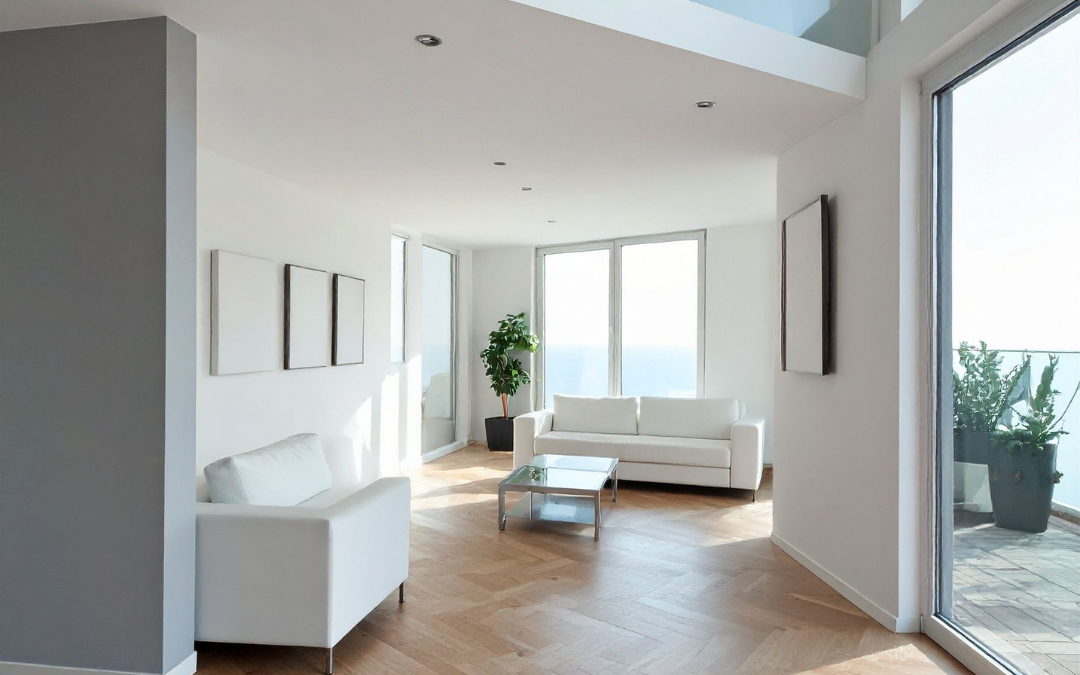
One of the great advantages of parquet flooring is the range of timber species, colours, and finishes available. Oak is the most popular choice in contemporary Australian interiors for its warm golden tones, consistent grain, and excellent durability. Blackbutt, spotted gum, and other Australian native timbers bring a distinctly local character and work beautifully in both contemporary and more traditional homes.
Parquet flooring typically comes in three finish options. Pre-oiled floors have a natural, matte appearance that is easy to maintain and repair. Waxed floors have a slightly richer sheen and a traditional feel. Lacquered floors are the most durable and easiest to clean, though they are harder to spot-repair if scratched. Your choice of finish should reflect how the room will be used and how much maintenance you are willing to commit to.
Modern parquet options also include engineered timber, where a thin layer of real timber sits over a stable plywood core. Engineered parquet is more resistant to moisture and movement than solid timber, which makes it suitable for installation over underfloor heating and in rooms where a solid timber floor might not perform as well.
Beyond its visual appeal, parquet flooring has a number of practical qualities worth knowing about. It is highly durable and, unlike carpet, improves with age rather than wearing out. Every several years it can be sanded and re-oiled or re-lacquered, which restores it to a near-new appearance and extends its life almost indefinitely. A well-laid parquet floor installed today could still be performing beautifully in fifty years.
Parquet is also environmentally friendly when sourced from sustainably managed forests or reclaimed timber. Reclaimed parquet in particular brings a quality of character and patina that new timber cannot replicate, and it keeps existing materials in use rather than sending them to landfill.
Contemporary parquet is also far more affordable than its historical origins might suggest. The hand-cutting and hand-laying that made 17th century parquet the preserve of royalty has been replaced by precision manufacturing and more efficient installation techniques, bringing it within reach of most renovation budgets.
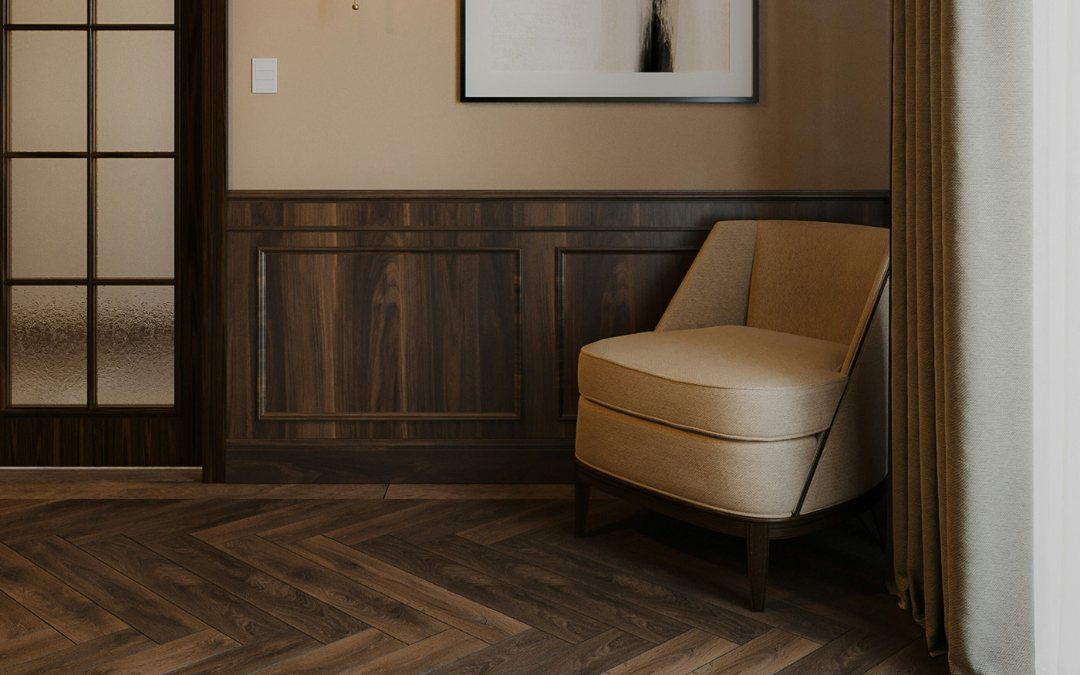
Parquet works well in almost any room of the house, though it performs particularly beautifully in living and dining areas where its visual character can be fully appreciated. In a hallway, a herringbone or chevron pattern creates an immediate sense of arrival and quality that sets the tone for the whole home.
In bedrooms, parquet adds warmth underfoot that tiles and polished concrete cannot provide, and pairs beautifully with the layered textiles and soft furnishings that make a bedroom feel considered. In kitchens, engineered parquet is the practical choice as it handles the humidity and foot traffic of a working kitchen better than solid timber.
For a complementary look, consider running the parquet in the same direction throughout open plan living areas to maintain a sense of flow. Beaumont Tiles is also worth visiting if you are exploring how parquet timber flooring might sit alongside tiled areas in a kitchen or bathroom transition, as the combination of the two materials requires careful planning to look intentional rather than mismatched.
Parquet flooring is one of those choices that rewards you for years after the installation is complete. It adds warmth, character, and a sense of craft to a home that few other flooring options can match, and it is durable enough to outlast almost everything else in the room.
If you are considering parquet for a renovation or new build and would like advice on pattern, species, and finish options that suit your space, get in touch. Flooring decisions have a significant impact on the overall feel of a home and are worth getting right from the start.


