

A pendant light does something that most other light fittings cannot. Hung in the right position, it becomes a focal point in its own right, as visually striking as a piece of artwork and as functional as any task light. It adds drama, warmth, and a sense of deliberate design to a room without requiring a renovation or a large budget.
The key is knowing where to use them and how to hang them properly. Here is a room-by-room guide to getting it right.
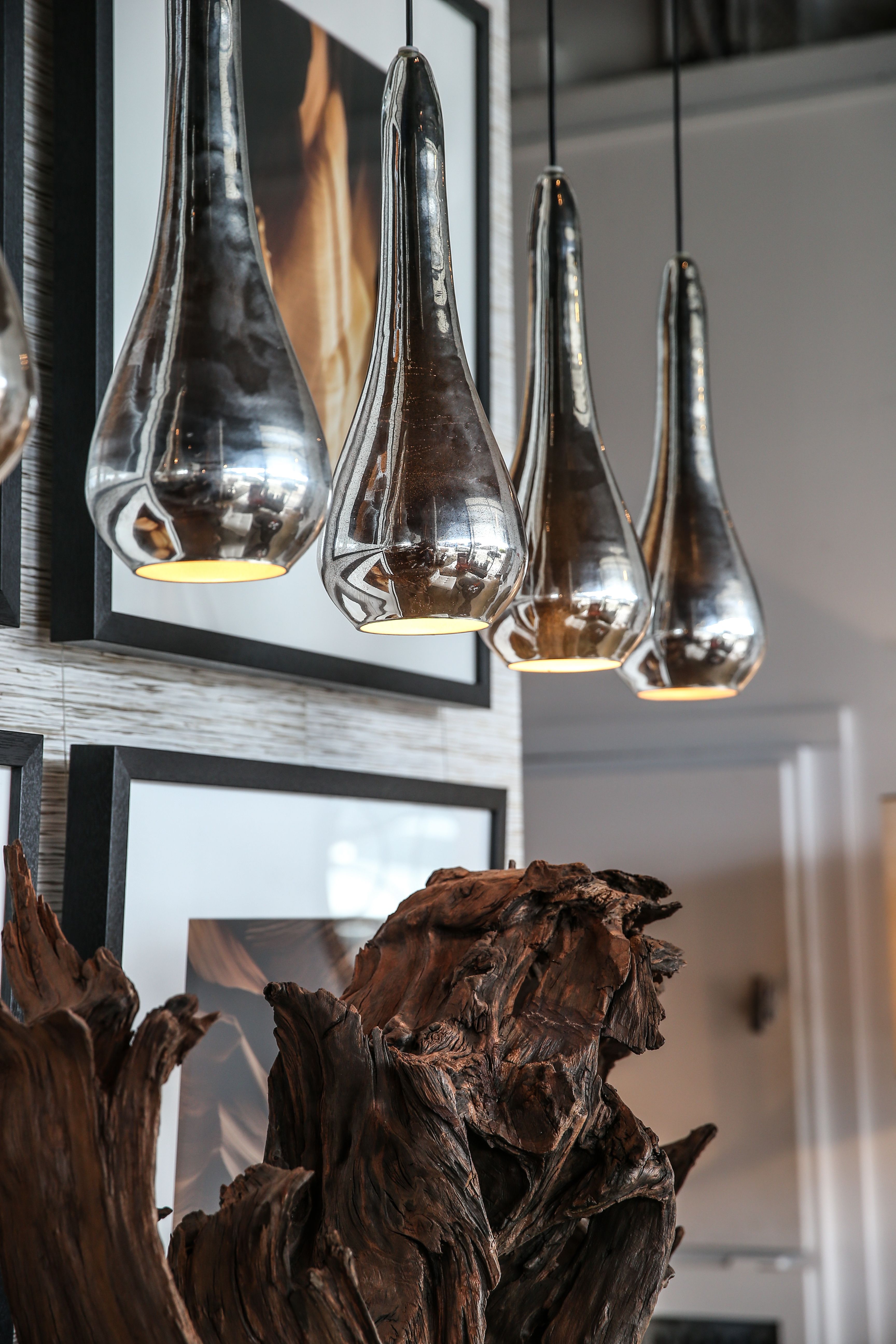
Pendant lights are one of the most effective additions to a kitchen, both functionally and visually. Hung above a bench top or island, they provide excellent task lighting for food preparation while adding a layer of warmth and style that a recessed downlight simply cannot match.
The standard recommendation for kitchen pendants is to hang them between 70 and 85 centimetres above the bench surface, or approximately 180 centimetres above the floor. This gives you enough clearance to work comfortably while keeping the light close enough to illuminate the surface effectively. For a kitchen island, two or three pendants spaced evenly along the length of the bench tend to look more considered than a single central fitting. Beacon Lighting carries a wide range of kitchen pendant styles suited to Australian homes, from industrial metal shades to more refined glass options.
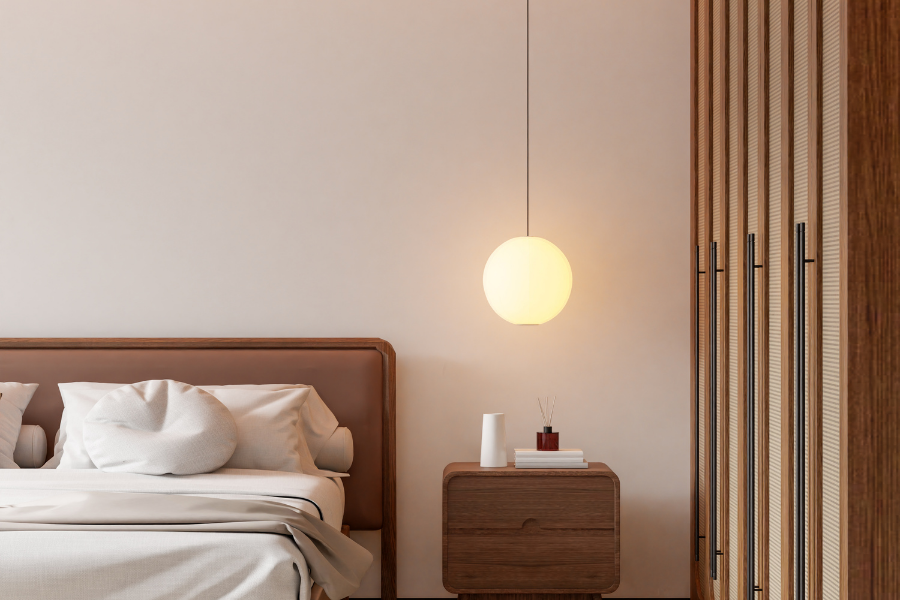
Bedside pendants are one of the most practical and underused solutions in bedroom design. Hung on either side of the bed in place of table lamps, they cast a soft, directional light that creates a calm and intimate atmosphere, and they free up the entire surface of the bedside table for other things.
This is particularly useful in smaller bedrooms where bedside table space is limited. A pendant hung at the right height, roughly level with the top of the bed head when you are sitting up, gives you enough light for reading without flooding the whole room. A single pendant hung above the foot of the bed is another option that creates a striking visual moment without serving a task function. Choose a fitting with a warm-toned globe and a shade that diffuses the light softly rather than directing it harshly.
Good task lighting is essential in a study or home office, and a pendant hung directly above the desk or a reading chair is one of the most elegant solutions. It directs light exactly where you need it without the visual clutter of a desk lamp competing for surface space.
A simple, adjustable pendant on a long cord works particularly well in a study because it can be positioned precisely over the work area. Choose a shade that focuses the light downward rather than diffusing it in all directions, which keeps the illumination effective rather than merely atmospheric.
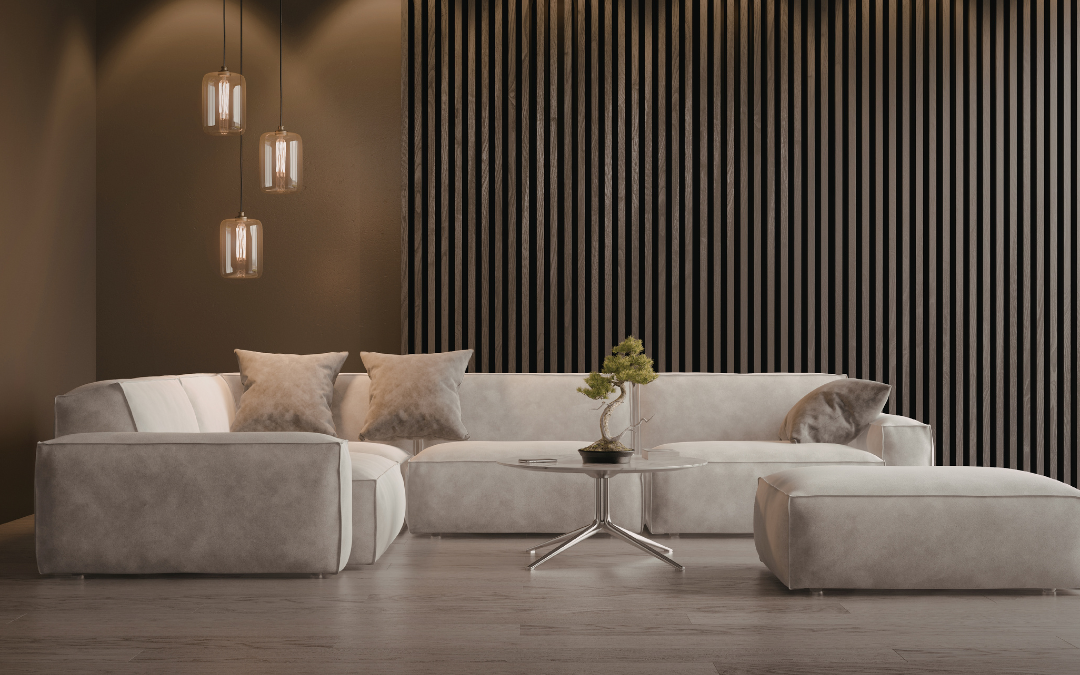
The living room is where pendant lights are most often overlooked in favour of floor lamps and ceiling fittings, but a pendant hung low over a central coffee table creates one of the most dramatic effects in residential interior design. The low position draws the eye down into the seating arrangement and creates a sense of intimacy that higher fittings cannot achieve.
Hung at around 90 to 100 centimetres above the table surface, a pendant in this position is well below head height for anyone moving around the room and poses no practical problem. The visual effect is striking and the warm pool of light it creates over the table makes the whole seating area feel more welcoming and considered.
Pendant lights are rarely the first thing people think of for a bathroom, which is exactly why they work so well there. A small pendant or two in a bathroom immediately signals that the space has been designed rather than simply fitted out, and the effect is far more personal and interesting than a standard vanity strip or downlight.
Small pendant fixtures on either side of a bathroom mirror provide excellent light for grooming while creating a boutique hotel quality that is difficult to achieve with standard bathroom lighting. Always specify fittings that are rated for bathroom use and positioned outside wet zones in accordance with Australian electrical standards. Your electrician will advise on the appropriate IP rating for your specific bathroom layout.
Hallways are often the most neglected spaces in a home from a lighting perspective, and a pendant or series of pendants can transform a functional corridor into something genuinely worth noticing.
For a classic and considered look, hang three identical pendants at equal intervals down the length of the hall. Maintain a minimum clearance of 2.4 metres above the floor and make sure the fittings do not interfere with the swing of any doors. For a shorter hallway or an entry, a single statement pendant with an interesting form or finish can set the tone for the whole home the moment you walk in.
Pendant lights vary enormously in scale, and choosing the wrong size for a space is one of the most common mistakes. As a general rule, the diameter of a pendant in centimetres should roughly equal the combined length and width of the room in metres. A room that is four metres by three metres suits a pendant of around 70 centimetres in diameter as a rough guide, though this varies depending on ceiling height and the number of fittings.
Cord length also matters more than most people realise. Too short and the fitting sits lost near the ceiling. Too long and it intrudes on the space below. Always confirm the total drop from ceiling to base of fitting before purchasing, and check whether the cord length is adjustable.
Finally, pair your pendant with a dimmer wherever possible. The ability to adjust the light level means one fitting can handle multiple moods across the day, which is exactly what a well-designed room needs.
If you would like help choosing and positioning pendant lights as part of a broader lighting or styling project, get in touch. Lighting is one of the details we always look at closely, and the right pendant in the right position makes a real difference.


