

The hotels that people remember, photograph, and return to are almost never the ones with the largest rooms or the most amenities. They are the ones where someone made a set of genuinely considered design decisions that produced a coherent, atmospheric, and memorable experience. Those decisions are worth studying not just for what they tell us about hospitality design but for what they can teach us about designing any space that is meant to make people feel something the moment they walk in.
Here are the principles behind the most compelling hotel interiors and how each one translates into residential design.
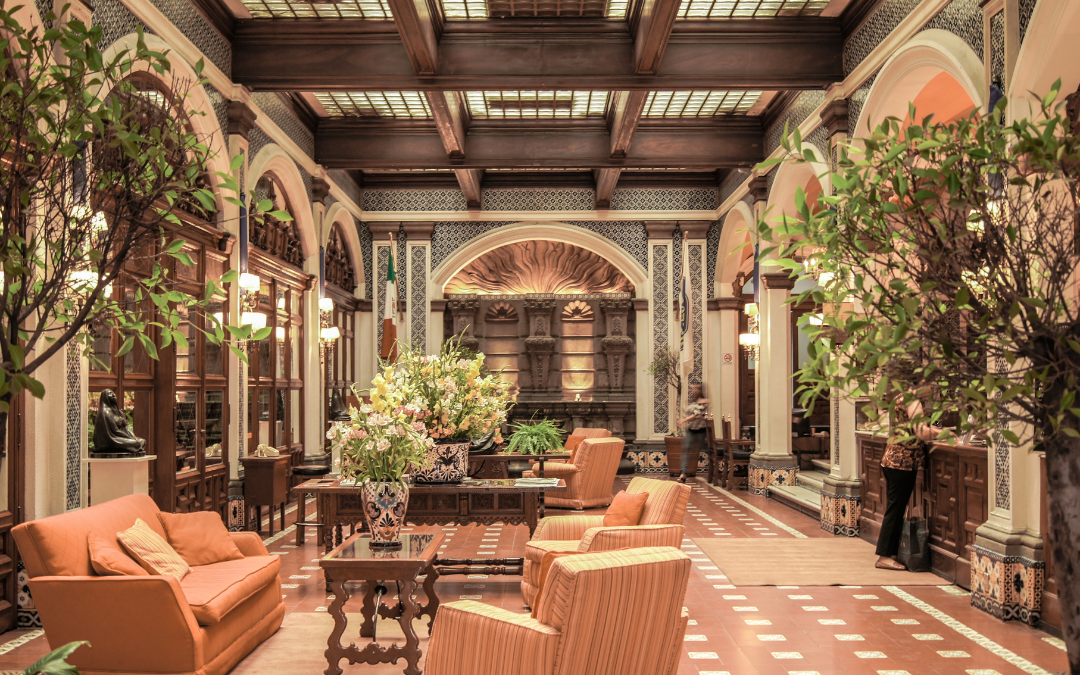
The most atmospheric hotels are almost universally ones that inhabit buildings with a previous life. A rococo mansion. A converted warehouse. A colonial-era guesthouse. A 19th century terrace. These buildings bring a quality of history and materiality that no new-build hotel can replicate, and the most successful hotel conversions work with that history rather than papering over it.
The design signature of this approach is selective preservation: keeping the elements that give the building its character, original staircases, exposed timber beams, intricate cornices, parquetry floors, wall panelling, and allowing them to coexist with contemporary furnishings and modern amenities. The contrast between old and new is not a problem to be resolved. It is the point. Each element makes the other more interesting by comparison.
In residential design, the same principle applies to period homes and character properties. An original fireplace surround kept intact in a renovated room. Original floorboards polished rather than replaced. A heritage door frame left unpainted in an otherwise contemporary interior. These decisions give a home a layered quality that new builds simply cannot achieve, and they are worth preserving even when renovation logic might suggest replacing them.
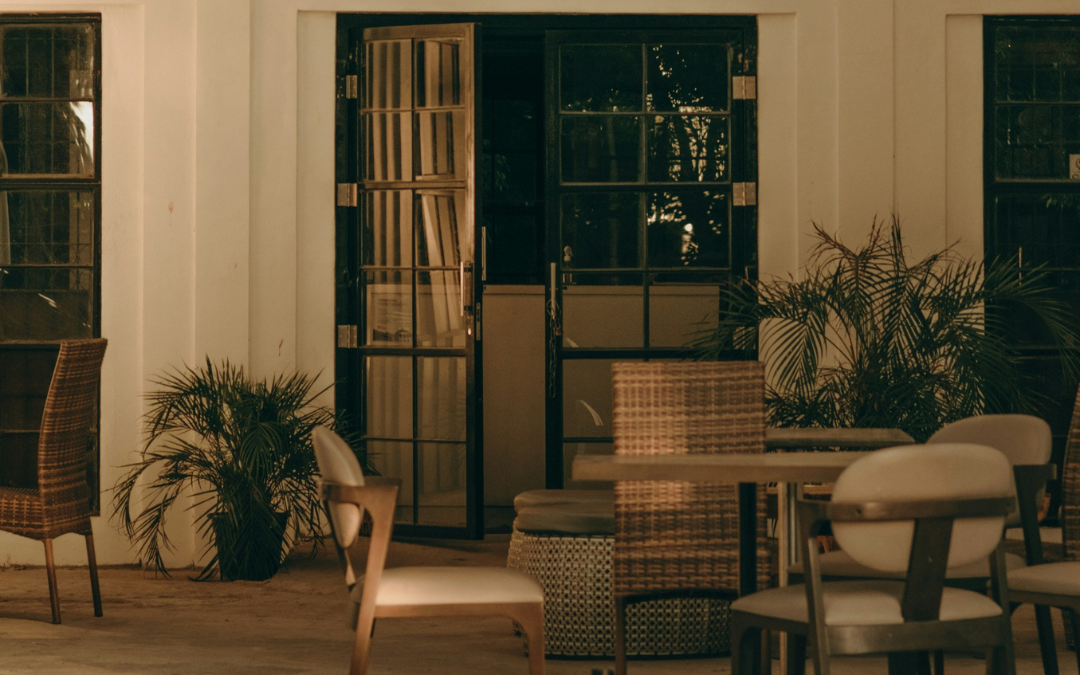
The internal courtyard is one of the most compelling spatial features available in any building, and hotels have used it brilliantly for centuries. A cobbled or stone-paved courtyard at the heart of a building creates a sheltered outdoor room that is protected from wind and street noise while remaining connected to the sky and the natural world. It gives the building a centre of gravity that guests gravitate toward and that makes the whole property feel more generous and more considered.
The design of a courtyard works best when it creates a deliberate contrast with the interior spaces around it. A planted, green courtyard against a white or neutral interior. A cobbled, textured ground plane against smooth interior floors. Soft outdoor furniture in a strong colour against the neutral materiality of the surrounding walls. The contrast is what makes the courtyard feel like an event rather than simply an outdoor area.
In a residential context, a courtyard, enclosed garden, or atrium space can serve the same function. Even a small enclosed outdoor area accessed from the main living space changes the feeling of the home significantly, providing a moment of shelter and sky that extends the interior without requiring additional floor space.
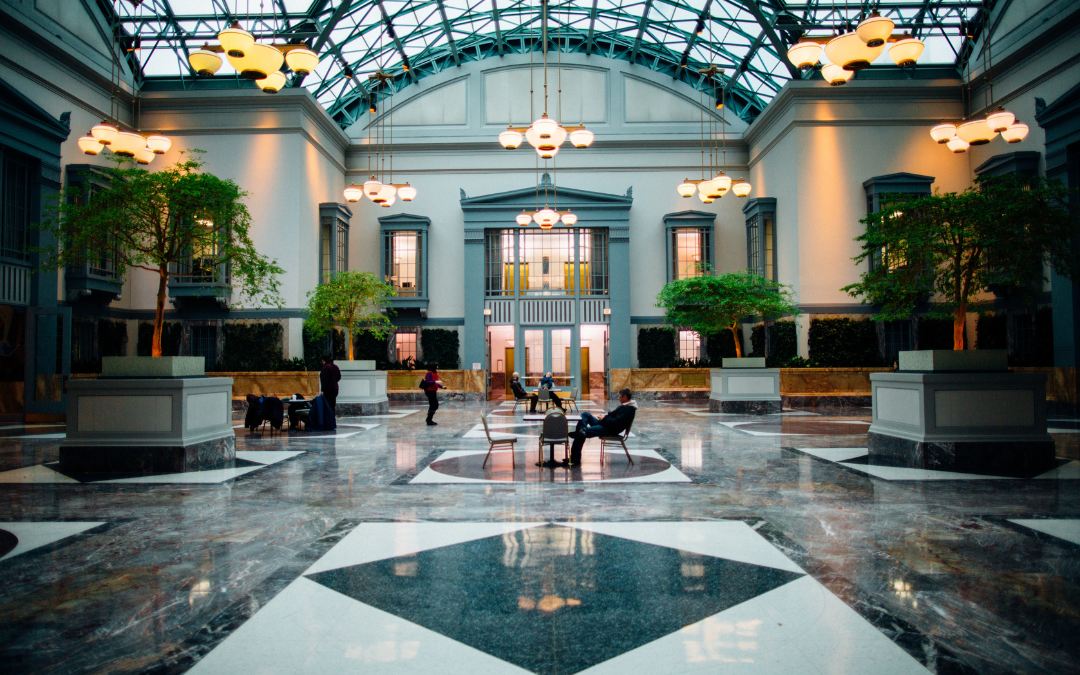
The hotels that feel most genuinely welcoming are almost always the ones that invest in their textiles. Linen bedding with a natural texture. Velvet cushions in warm, saturated tones. Woollen throws draped over the end of the bed. Hand-printed fabric on the upholstered headboard. Artisan rugs on timber or stone floors. These layers of textile warmth are what make a hotel room feel like somewhere you want to stay rather than somewhere you are staying.
The principle translates directly into residential design. A bedroom or living room dressed with layered textiles in complementary textures and a consistent palette has a warmth and richness that hard surfaces and sparse furnishing cannot replicate. The investment in quality textiles, in linen, wool, velvet, and hand-woven materials, pays consistent daily dividends in how the space feels to be in.
Armadillo produces handwoven rugs in natural fibres that bring the same quality of artisan textile warmth to residential interiors that the best boutique hotels achieve in their guest rooms.
The most effective use of pattern and material in a hotel interior is almost always concentrated rather than distributed. A feature wall in the restaurant tiled in a single bold pattern that reads as a mural rather than a surface treatment. A bathroom tiled floor to ceiling in one material that makes the room feel like a jewel box. A reception floor in a striking mosaic that makes an immediate impression on arrival.
This approach of concentrating the material drama in a single moment, rather than spreading it across every surface, is one of the most reliable principles in interior design. One strong material or pattern statement, surrounded by calmer, neutral surfaces, always reads as more considered and more confident than the same material or pattern applied everywhere.
In residential design this principle is immediately applicable. A single feature tile wall in a bathroom or kitchen, chosen with genuine commitment and installed with care, does more design work than a complex combination of materials across multiple surfaces. Beaumont Tiles carries a range of statement tiles suited to this single-moment approach, from bold patterned formats to richly coloured solids.
The hanging chair, whether a cocoon chair suspended from a ceiling, a swing seat on a terrace, or a hammock strung between structures in a garden, is one of the most consistently popular features in boutique hotel design. It creates an immediate focal point, invites interaction, and gives guests a specific experience that a conventional chair cannot provide.
Beyond its popularity as a feature, the hanging chair illustrates a broader principle: that unexpected furniture choices, pieces that invite a different kind of sitting, a different relationship with the space, or a different social dynamic, add a dimension to interior design that conventional furnishing cannot achieve.
In residential design, an occasional chair with an interesting form or an unexpected placement can serve the same purpose at a domestic scale. A swing seat on a covered verandah. A hammock in a garden corner. A sculptural rocking chair in a living room corner. These pieces invite engagement and create specific memories of a space that more conventional furniture does not.
The most successful resort and coastal hotel interiors apply a clear design language consistently from the architecture to the smallest accessory. A Hamptons-inspired coastal hotel uses white timber wall cladding, shuttered windows, oak floors, cane furniture, and nautical references in the artwork and accessories. Every element speaks the same language, and the consistency is what makes the style feel genuinely achieved rather than gestured at.
The lesson for residential coastal design is the same one that applies in every other context: commit to the palette and material language you have chosen and carry it through every decision rather than allowing exceptions to accumulate. A Hamptons bedroom with a white timber wall and oak floors is undermined by a dark carpet, chrome light fittings, and generic curtains. The same bedroom with linen shutters, a natural fibre rug, and a brass pendant achieves the style because every element has been evaluated against the same brief.
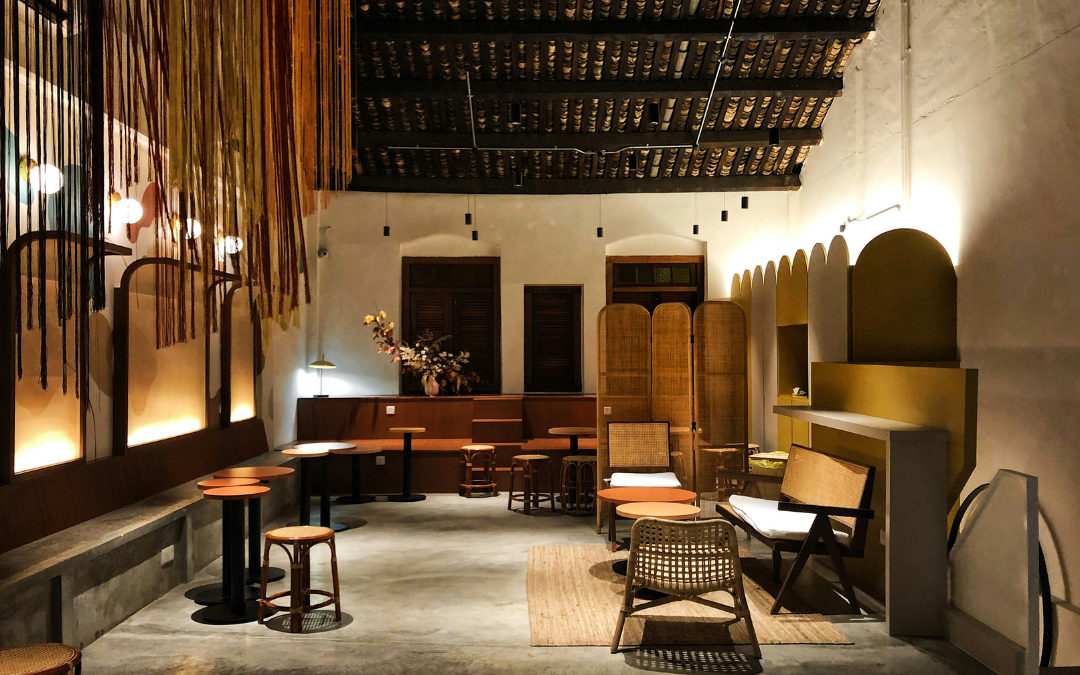
The boutique hotels that feel most genuinely distinctive rather than generically stylish are almost always the ones where personal objects have been integrated into the professional design. A host's own sailing charts displayed in a guest room. A collection of books that reflects the owner's actual reading. Artworks sourced locally or from the owner's personal relationships with artists. These personal elements give a hotel the feeling of being someone's home rather than a manufactured hospitality product.
This is perhaps the most directly transferable principle to residential design. A home that contains objects with genuine personal significance, pieces collected on travels, inherited from family, chosen because they mean something specific, has a quality of authenticity that no amount of professionally sourced interior styling can replicate. The most memorable homes are the ones that feel genuinely inhabited by a specific person with a specific history, not the ones that look the most like a professionally styled photoshoot.
The hotels that people love most are not the most expensive or the most perfectly designed. They are the ones where someone made a set of genuine decisions about what the space should feel like and then followed those decisions through with consistency and care.
That discipline, of deciding what a space should feel like and then evaluating every element against that decision, is available to anyone designing any space at any scale. The heritage building, the courtyard, the artisan textiles, the single strong material moment, and the personal object are all expressions of the same underlying commitment to designing a space that actually makes people feel something.
If you would like help bringing any of these principles into your own home, get in touch. It is the kind of thinking we bring to every project.


