

There is something genuinely satisfying about taking a tired piece of retro furniture and giving it a new life. Whether you have inherited a 1950s teak sideboard, found an iconic egg chair at a market, or rescued a set of Danish dining chairs from a hard rubbish collection, the bones of well-made vintage furniture are almost always worth working with. The craftsmanship in mid-century pieces in particular is difficult to find in contemporary mass-market furniture, and with the right treatment, these pieces can become some of the most characterful and personal elements in a room.
Here are three techniques for restoring and refreshing retro furniture that deliver genuinely impressive results.
Retro teak sideboards from the 1950s and 60s are among the most sought-after vintage furniture pieces in Australia right now, and for good reason. Their clean lines, warm timber tones, and elegant proportions suit contemporary interiors beautifully. But sometimes the top or door surfaces are worn, stained, or simply in need of a refresh that respects the piece without trying to make it look brand new.
Covering the top and door panels with laminate is one of the most effective and affordable ways to modernise a retro sideboard or cabinet while preserving its original structure and form. White and black laminates give the piece a crisp, graphic quality that suits a contemporary interior. Coloured laminates in tones like mustard, sage green, or terracotta suit a more maximalist or retro-inspired room. The same technique works equally well on a retro set of drawers, a coffee table, or a teak desk.
Do not be afraid to use contrasting colours between the laminate panels and the original timber frame. Baby blue laminate against warm teak, or black laminate against a lighter oak, creates a deliberate two-tone effect that feels confident and considered rather than accidental. Lining the interior of drawers with a graphic vintage-style wallpaper is a finishing detail that costs almost nothing and adds a moment of delight every time a drawer is opened.
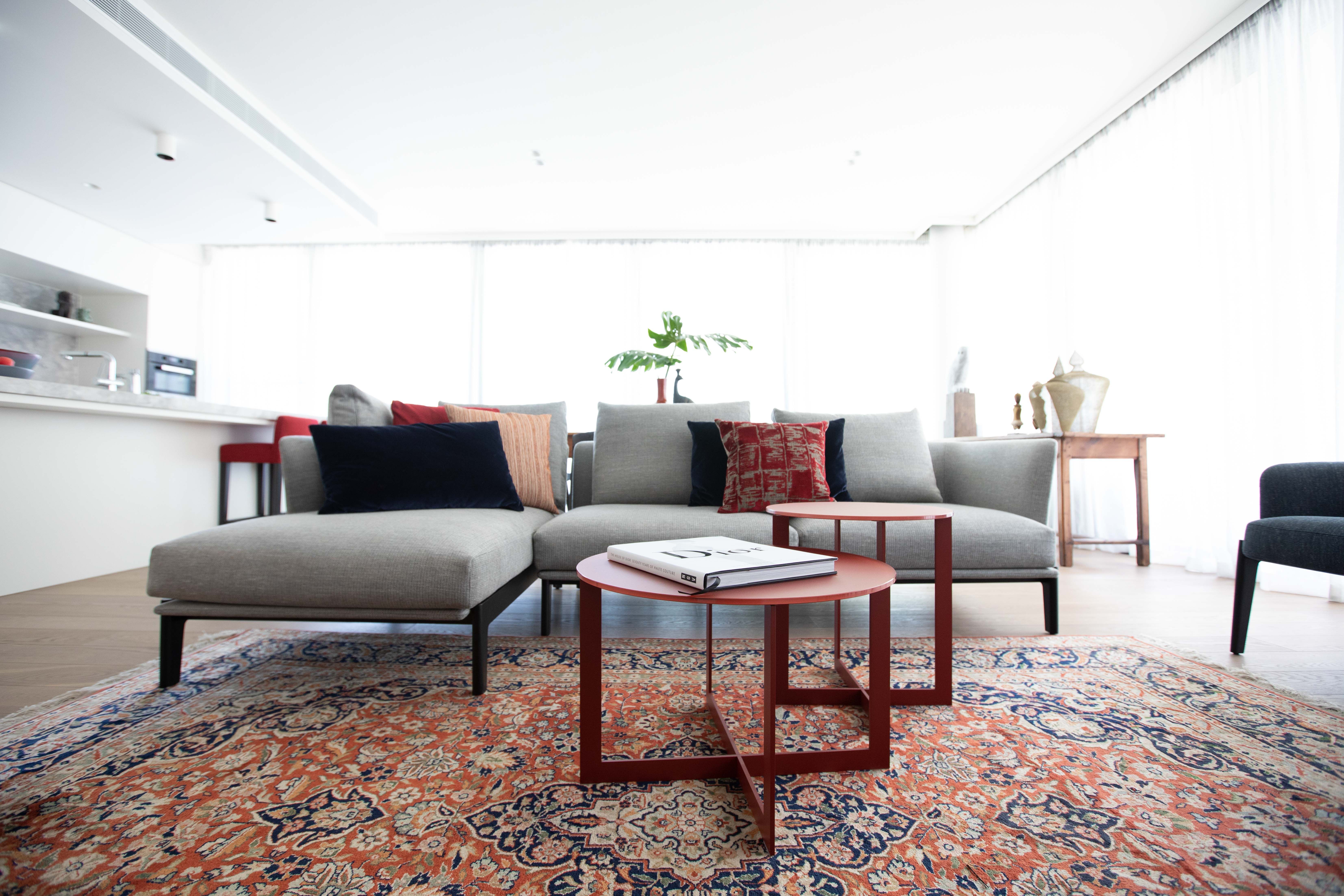
Reupholstering is where vintage furniture genuinely comes into its own. A tired set of 1950s Danish dining chairs or a worn Parker sofa can be completely transformed with the right fabric choice, and the result is a piece that is simultaneously historical and entirely fresh.
For an authentic retro feel, look for fabrics with geometric patterns, polka dots, checkerboard designs, or bold stripes. These prints were hugely popular in mid-century interiors and sit naturally on the furniture forms of the era. Florence Broadhurst designs are a particularly strong choice for reupholstering vintage Australian furniture, as her bold graphic prints were themselves products of the same era and feel genuinely at home on these pieces.
Bouclé, wool tweed, and textured weaves in warm neutrals are the alternative for those who want the quality and character of a vintage piece without a strong pattern statement. A boucle-upholstered egg chair in a warm cream or soft sage sits beautifully in a contemporary interior and reads as a considered design choice rather than a retro novelty.
Reupholstering is a job best left to a professional for anything with a complex form or tight corners. The quality of the finish makes an enormous difference to the final result, and a poorly executed upholstery job on a beautiful vintage frame is a disappointing outcome. Ferrari Interiors works with trusted upholsterers who can advise on fabric selection and finish to ensure the piece looks as good as the bones deserve.
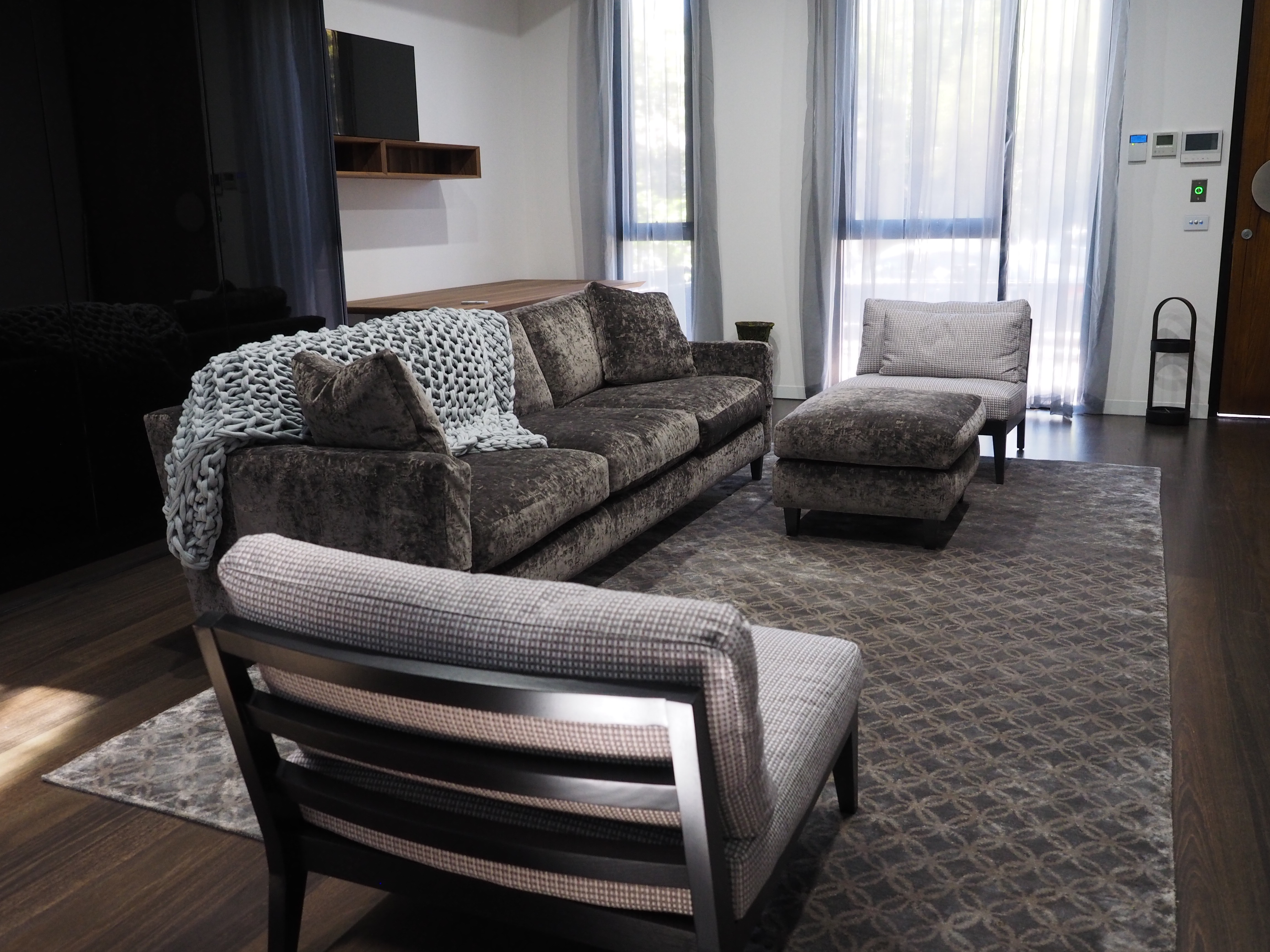
Not every piece of retro furniture needs to be restored to its original finish. Painting vintage timber furniture in classic retro colours is a legitimate and effective way to give a piece a completely new character while keeping its original form.
Sunshine yellow, aqua, cherry red, and burnt orange are all colours that suit mid-century furniture forms beautifully and reference the original colour palettes of the era. A rocking chair painted in a deep aqua, a set of ladder-back chairs in cherry red, or a bedside table in a warm mustard can become the most characterful piece in a room and a genuine talking point.
Dulux has a strong range of heritage and retro-inspired colours that work well for furniture painting projects. For a durable finish on furniture, use a dedicated furniture paint or apply a quality primer before your topcoat. The preparation makes as much difference as the paint itself, and a well-prepared surface will last for years without chipping or wearing at the edges.
For a more subtle approach, painting just the legs of a piece in a contrasting colour while leaving the top surface in its original timber finish is a simple update that adds personality without fully committing to a painted look.
Restored retro furniture does something that new furniture rarely achieves: it brings genuine history and character into a room. A piece that has been thoughtfully restored and given a considered new finish is not just a functional object. It is something worth noticing, worth asking about, and worth keeping for another generation.
If you have a piece you love but are not sure how to approach the restoration, or if you are looking for help sourcing quality vintage pieces worth restoring, get in touch. It is exactly the kind of brief we enjoy.


