

A well-designed store does a lot of quiet work. It makes customers feel comfortable, directs their attention toward the right products, and creates the kind of environment people want to linger in. Get it right and the space itself becomes part of the reason people come back. Get it wrong and even great products can struggle to sell.
These five tips apply whether you are opening a new store, refreshing an existing one, or simply wondering why your space is not performing the way you hoped.
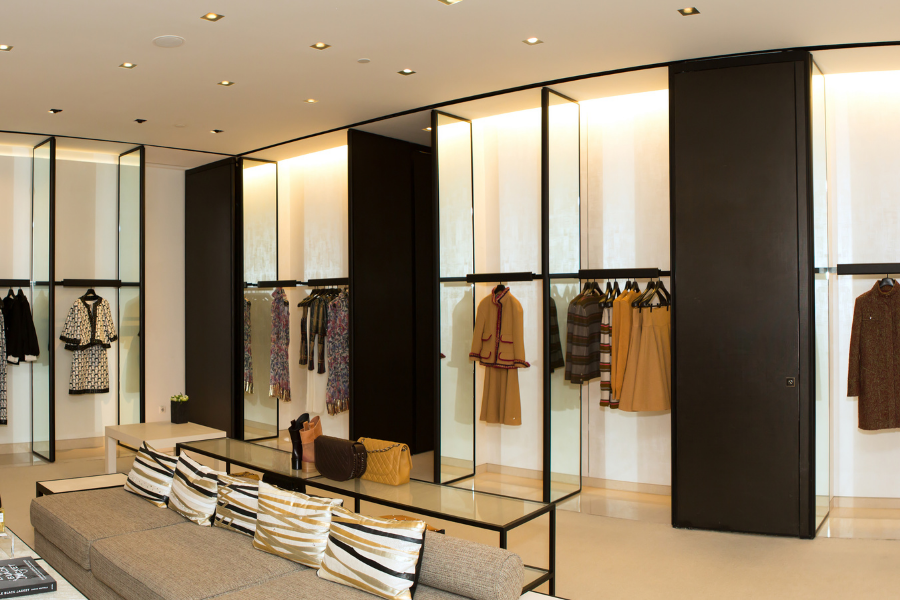
The most common mistake in retail styling is competing with your own products. Busy wallpapers, strong colours, and cluttered surfaces draw attention away from what you are actually selling. Simple, white or neutral walls are almost always the right foundation for a retail space. They make the room feel light and spacious, and they let your products and displays become the visual focal points rather than the backdrop.
This does not mean the space has to feel cold or generic. Texture, lighting, and considered display elements all add warmth and character without cluttering the visual field. The goal is a space where the customer's eye goes immediately to what you are selling, not to the walls around it.
Floor space in a retail environment is one of your most valuable assets, and how you use it matters more than most store owners realise. Before placing a single shelf or display unit, think through the customer journey from the moment they walk in. Can you make eye contact with customers as they enter? Can they see the full range of your products without having to hunt? Are your best-selling or highest-margin items placed where foot traffic naturally flows?
Invest in smart shelving and display cabinets that make the most of vertical space without overwhelming the floor. Consider interactive elements where they suit your product range, a large chalkboard for daily specials, a magnetic display wall, or a feature table at the centre of the store that anchors the space and invites browsing. The layout should feel intuitive to navigate, even for a first-time visitor.
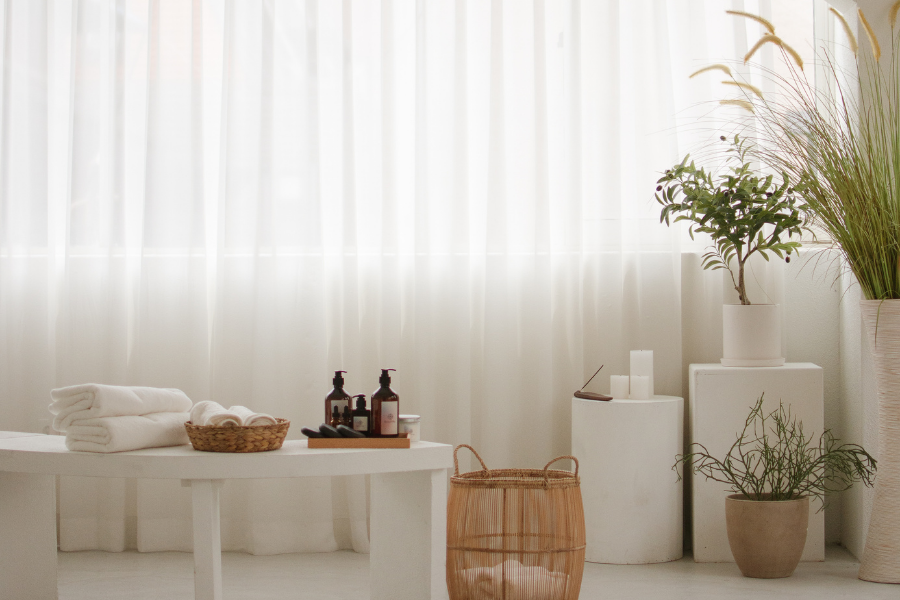
People buy with their hands as much as their eyes. The ability to pick something up, feel its weight, test its texture, or try it out is one of the things a physical store can offer that online retail simply cannot. Make the most of that advantage by designing your displays to encourage interaction rather than discourage it.
If you sell food or drink, a tasting station is one of the most effective sales tools you can have. If you sell homewares or lifestyle products, always have a display piece that customers can handle. If you sell books, a comfortable reading chair or a small sofa gives browsers a reason to stay longer and engage more deeply with what is on your shelves. The longer a customer spends in your store feeling comfortable and engaged, the more likely they are to buy.
Your store's exterior and window display are the equivalent of product packaging. They create the first impression and determine whether a passing customer stops or keeps walking. This deserves as much attention and investment as anything inside the store.
Keep your signage clean, clear, and consistent with the interior aesthetic. Use your window display to tell a story or showcase a curated selection rather than trying to show everything at once. A well-composed window with a few strong elements is always more effective than one packed with products competing for attention. Consider seasonal updates to keep the display feeling fresh and give regular passersby a reason to stop and look again. If window dressing is not your strength, it is worth getting professional help. The return on a well-executed window display is significant.
A comfortable, welcoming store is good for customers and good for staff. Natural light is the starting point: wherever possible, maximise it. A store with good natural light feels more open, more honest, and more inviting than one that relies entirely on artificial lighting.
Layer in thoughtful details that engage the senses without overwhelming them. A diffuser or scented candle in a subtle fragrance, fresh flowers or a simple plant near the entrance, and background music at a volume that adds atmosphere without making conversation difficult all contribute to a space that feels cared for and considered. These details signal to customers that the same care has gone into your products, which makes them more inclined to trust and buy from you.
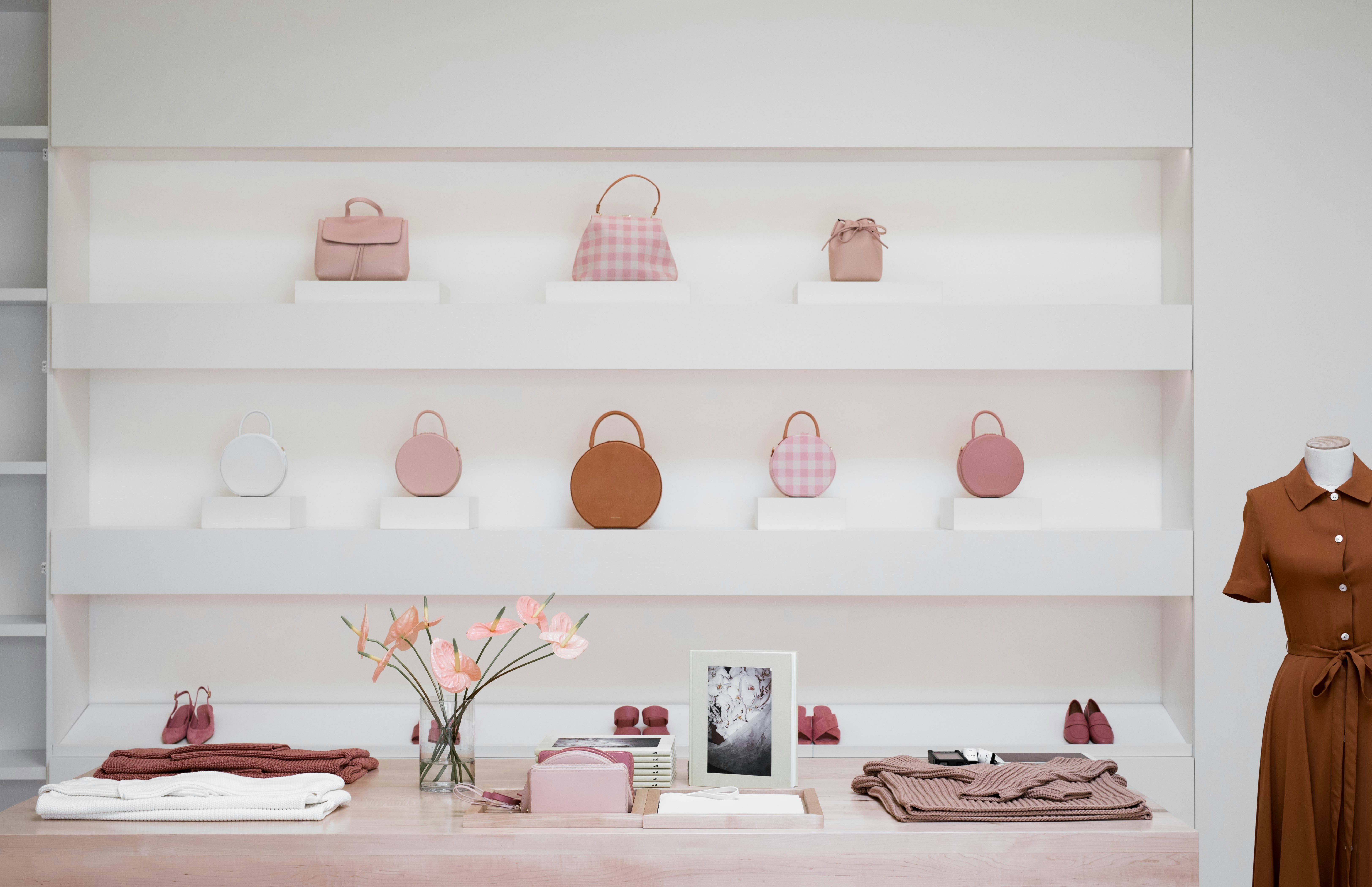
Good retail styling is not a cosmetic exercise. It is a business decision. A space that is thoughtfully designed, easy to navigate, and genuinely enjoyable to spend time in converts browsers into buyers and buyers into regulars. It also makes the working day better for the people who spend it there.
If you would like help styling your store or retail space, get in touch. Commercial styling is a service we offer alongside our residential work, and we would love to help your space work harder for your business.


