

There is a particular kind of restlessness that sets in when a home starts to feel stale. The furniture is fine, the bones are good, but something feels off and you cannot quite identify what it is. The temptation is to start over, to replace the sofa, repaint every wall, or buy a new dining table. But in most cases, the problem is not what you have. It is how it is arranged, what is around it, and the small details that have not been refreshed in years.
A well-considered refresh costs a fraction of a renovation and can change how a home feels almost overnight. Here is where to focus your attention for the biggest return.
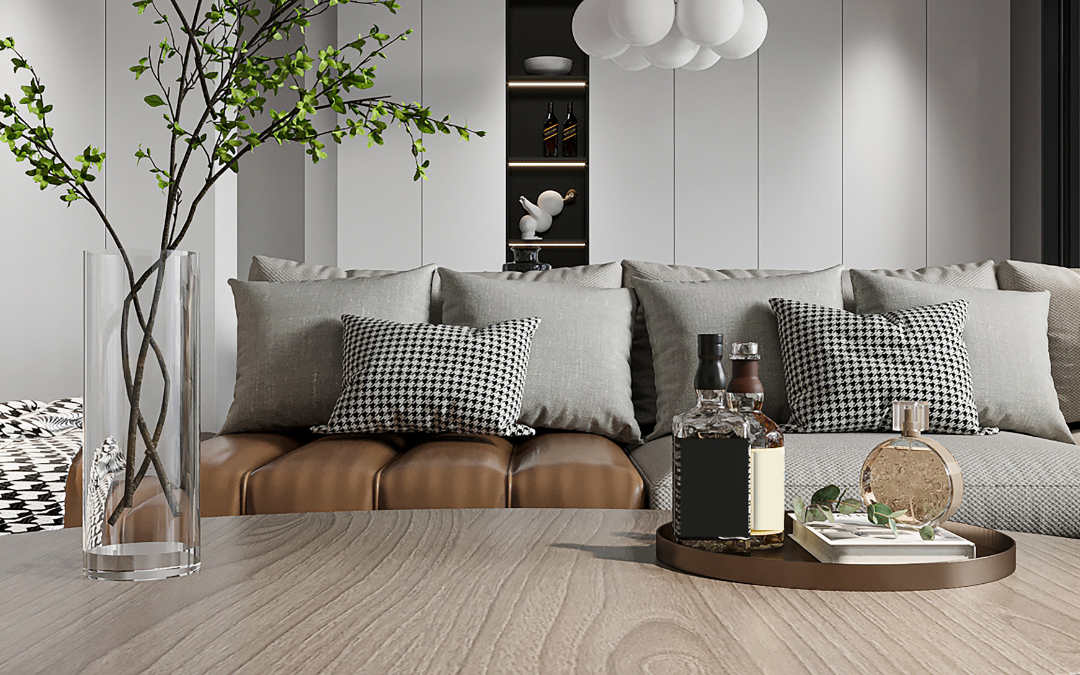
The single most underrated and completely free update you can make to any room is rearranging the furniture. Most people place furniture against walls, orient the sofa toward the television, and never revisit those decisions again. But rooms evolve and the arrangement that made sense when you moved in may no longer suit how you actually use the space.
Walk through each room and ask whether the furniture is arranged for the way you live in it now. A sofa pulled slightly away from the wall and angled toward a fireplace or a window creates an entirely different feeling than one pushed hard against the skirting board. A dining table reoriented to make better use of natural light can transform how the room feels at mealtimes. An armchair moved to a corner with a lamp beside it creates a reading nook where there was previously just an empty corner.
Try at least two configurations before settling. Take photographs of each arrangement from the doorway, which is how a room reads to anyone entering it. The difference between a thoughtful arrangement and a default one is often the difference between a room that feels designed and one that simply feels furnished.
Artwork that has been in the same position for years becomes invisible. You stop seeing it the same way you stop seeing a familiar face. Moving a piece to a different wall, a different room, or a different height can make it feel completely new without spending a cent.
The most common hanging mistake is positioning artwork too high. In a living room, the centre of a piece should sit roughly at eye level when standing, which is typically around 145 to 150 centimetres from the floor. Artwork hung above this height floats away from the furniture beneath it and loses its connection to the room. Bringing it down even ten centimetres can make a significant difference to how grounded and considered the space feels.
Consider grouping smaller pieces into a curated wall arrangement rather than dotting them individually around a room. A collection of three to five pieces hung together as a considered group creates far more visual impact than the same pieces distributed separately. If you are buying new artwork, The Print Emporium offers a wide range of affordable Australian art prints that can be framed simply and affordably to look genuinely considered.
Cushions, throws, and bed linen are the most accessible and reversible colour and texture decisions in a home. They are also the elements most likely to show their age through fading, pilling, and a general loss of freshness that happens so gradually you stop noticing it.
A new set of cushions in a consistent palette, three to five pieces in complementary tones and textures rather than a matched set, can refresh a living room or bedroom more dramatically than most people expect. The key is choosing cushions that reflect the current palette of the room rather than the palette it had when you bought the sofa. If your room has evolved toward warmer tones, cushions in burnt terracotta, warm ochre, or deep sage will read as intentional in a way that the original cushions may no longer do.
Replacing a tired bedspread with quality linen in a warm neutral is one of the highest-impact, lowest-cost updates available in a bedroom. A well-dressed bed anchors the whole room and signals a level of care and attention that lifts everything around it. Cultiver produces quality Australian linen bedding in a range of tones that suit the warm, layered aesthetic Ferrari Interiors works with regularly.
A full repaint is a significant commitment of time and money. But painting a single wall, a piece of furniture, or even a door can deliver a surprising amount of impact for relatively little outlay.
A deep feature wall behind a bed or sofa creates an immediate focal point and grounds the room in a way that pale walls on all four sides rarely achieves. Choose a tone that is a deeper or more saturated version of the room's existing palette rather than a contrasting colour, and the wall will feel like a deliberate extension of the design rather than an afterthought.
Furniture painting is a similarly high-return exercise. A tired timber sideboard, a set of dated kitchen cabinets, or a wooden bedside table can be transformed with a coat of quality furniture paint in a well-chosen tone. The preparation matters as much as the paint. A properly primed and painted surface will last for years. A poorly prepared one will chip and peel within months, which is why this is one area where taking the time to do it properly is worth every extra hour.
Dulux has an extensive range of interior and furniture paints with good coverage and durability for residential use. Their colour consultants in-store can also help you identify the right tone for a specific room or furniture piece if you are unsure where to start.
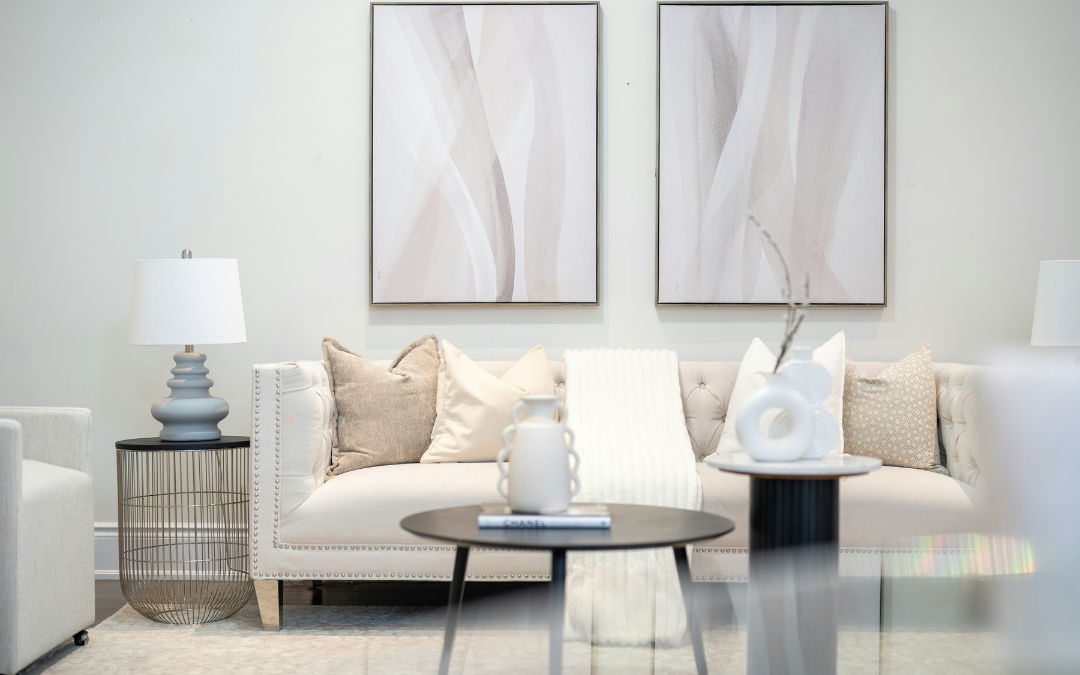
Lighting is the element most likely to be original to a home and least likely to have been updated since the day the owners moved in. Dated pendant shades, yellowing diffusers, and cold-toned downlights all contribute to a room feeling tired and flat even when everything else is in good condition.
Replacing a ceiling pendant is one of the easiest electrical updates available and in many cases can be done without an electrician if the fitting is a straightforward swap. A sculptural pendant in a warm finish above a dining table, a rattan or linen shade in a bedroom, or a statement fitting in an entrance hall can shift the character of a room significantly for a relatively modest outlay.
Beyond fittings, adding a floor lamp or a table lamp in a room that currently relies on a single overhead light is one of the fastest ways to change how the room feels in the evening. Layered light at different heights creates warmth and atmosphere that a single source, however good, cannot replicate. Beacon Lighting carries a wide range of residential pendants, floor lamps, and table lamps across a range of styles and price points suited to Australian homes.
Plants are one of the most effective ways to make a room feel alive, and they are also one of the most commonly neglected elements in a home refresh. A struggling or overgrown plant in a cheap nursery pot contributes to a room feeling tired rather than fresh. A healthy plant in a well-chosen ceramic pot adds life, warmth, and a connection to the natural world that artificial decoration rarely achieves.
If you have existing plants that are not thriving, replacing them with varieties better suited to your home's specific light conditions is a better investment than persisting with the wrong plant in the wrong spot. Low-light varieties like pothos, snake plants, and peace lilies suit most Australian interiors and are easy to maintain. A single large-leafed plant in a generous floor pot makes more visual impact than several small struggling ones on a windowsill.
Seasonal cut flowers are another underrated refresh tool. A bunch of eucalyptus, banksia, or garden roses in a simple vase on a dining table or kitchen bench adds colour, texture, and scent for the cost of a modest weekly outlay.
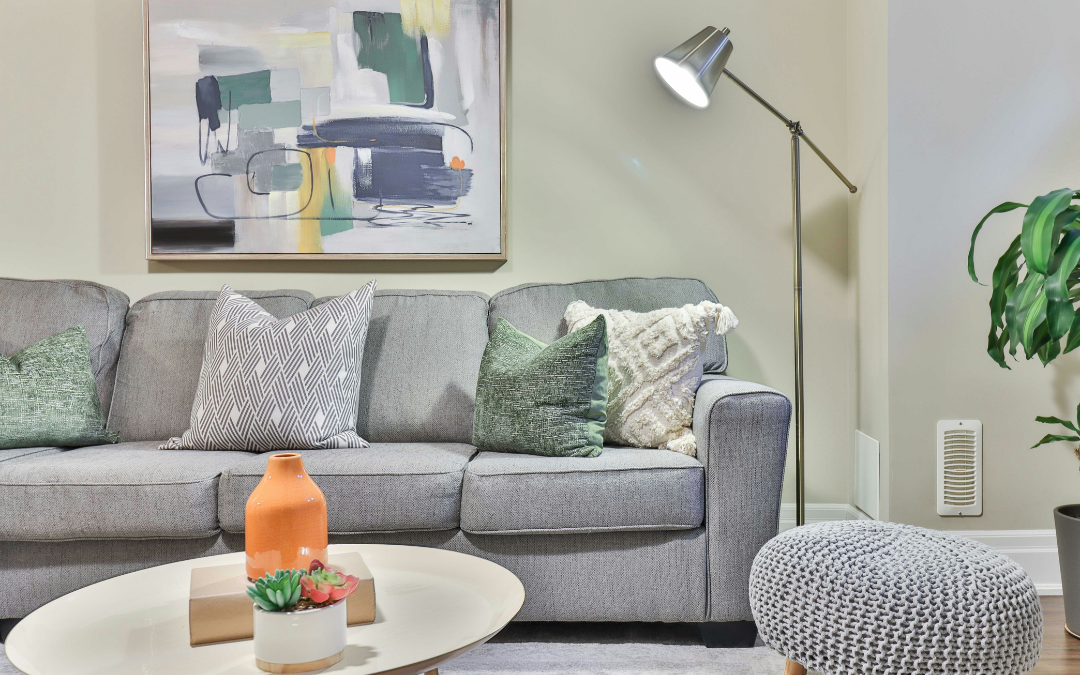
The most common reason a room feels cluttered and dated is not that it has too much furniture. It is that it has too many accessories that have accumulated over years without ever being edited. Ornaments from travels, gifts that were displayed out of obligation, candles that were never lit, and decorative objects that served a purpose in a previous version of the room all contribute to a visual noise that makes a space feel smaller and less considered than it should.
Walk through each room and remove everything from every surface. Every item. Then put back only what you genuinely love and what serves a purpose, whether decorative or functional. The result will almost certainly feel too sparse at first. That is normal. Add back selectively until the room feels considered rather than empty.
The principle for accessory styling is odd numbers, varying heights, and a consistent palette. Three objects of different heights in related tones read as a curated grouping. Four matching objects in a row read as a set. The first feels styled. The second feels like a display shelf.
A rug defines and anchors a seating or dining arrangement in a way that bare floorboards alone cannot. If your living room currently has no rug, adding one is one of the highest-impact changes available. If you have a rug that no longer suits the room's palette or has become worn and flat, replacing it refreshes the entire space.
The most common rug mistake is choosing one that is too small for the room. In a living area, the rug should be large enough for the front legs of all the major seating pieces to sit on it. An undersized rug makes the furniture arrangement look unanchored and the room feel smaller than it is. When in doubt, go larger rather than smaller. Armadillo produces natural fibre and handwoven rugs in a range of sizes, textures, and tones that suit contemporary Australian interiors and wear beautifully over time.
The most effective home refreshes happen in stages rather than all at once. Start with the free changes, rearranging and editing. Then move to the low-cost ones, artwork, soft furnishings, and plants. Save the more committed updates, lighting, painting, and rugs, for when you have a clear sense of the direction you are moving in.
A room that has been refreshed thoughtfully and incrementally almost always looks better than one that has been updated in a single purchasing sweep. The layers of decision made over time produce a more personal and considered result than anything you can achieve in an afternoon.
If you would like help identifying what your home needs most, or if you want a second opinion before you start spending, get in touch. A fresh set of eyes is often the most useful first step.


